ISSN 2692-3912

Inicio Blog Página 14

Gaspara Stampa en el fuego de la pasión: fénix y salamandra


Resumen


El presente ensayo es un análisis discursivo y comparativo de los sonetos 26, 32, 53 y 150 del Cancionero de Gaspara Stampa, poeta del Renacimiento italiano, a partir de los motivos del fuego, el amor y el corazón ardiente; así como el análisis del simbolismo de la salamandra y el fénix en el soneto 208, en comparación con el soneto 185, versos del 1 al 4 y la canción 135, versos del 1 al 15 del Cancionero de Petrarca. A través de una aproximación simbólica y metafórica de la llama, se plantea cómo el sometimiento al Amor en los textos Remedia Amoris y Amores de Ovidio, tienen influencia en los sonetos sujetos a estudio del Cancionero Stampiano. El estudio se divide en cuatro partes en las que se presenta un bosquejo histórico de los elementos que conforman la retórica petrarquista y su influencia en la lírica de Stampa, la obertura del Cancionero y cómo es que esta dedicatoria va dirigida a un público femenino, para pasar al análisis de los motivos del fuego y el simbolismo del fénix y la salamandra y su relación con el Cancionero de Petrarca y observar en qué consiste el petrarquismo de la poeta.

Palabras clave: Gaspara Stampa, fuego, amor, fénix, salamandra


Abstract


This essay is a discursive and comparative analysis of the sonnets 26, 32, 53 and 150 from the Canzoniere of the Italian Renaissance poet Gaspara Stampa on the motives of flame, love and flaming heart; likewise the analysis of symbolism of the salamander and the phoenix in the sonnet 208, in relation with the sonnet 185, from the verse 1 to 4, and the song 135, verse from 1 to 15, from the Petrarch’s Canzoniere. Through an symbolic and metaphoric approximation of the flame, it arises how the submission of Love, based on the texts Remedia Amoris and Amores by Ovidio, had influenced the sonnets studied in this paper. This essay is divided in four parts, the first one is an historical outline from the elements on the petrarchism rhetoric and the influence on the Stampa’s lyric, the overture of Canzoniere stampiano and how this dedicatory is made for a feminine public, to get through the analysis about the motives of the flame and the phoenix and the salamander symbolism, likewise the relation with the Petrarch’s Canzoniere and note the features of the femenine petrarchism of Stampa.

Key words: Gaspara Stampa, flame, love, phoenix, salamander


Dolce stil novo, Petrarquismo y Renacimiento


En el siglo XIII surgió la doctrina del amor cortés, conceptualización que se formó de la lírica trovadoresca provenzal y de los roman caballerescos. De esta doctrina surgió la lírica del dolce stil novo [dulce estilo nuevo] caracterizada por los motivos como el suspiro, el estremecimiento que provoca la aparición de la dama gentil, los ojos por los que se percibe el placer y el amor, así como el corazón traspasado por las flechas del amor. Se caracteriza por el uso de palabras como corazón, gentil, suave, dulce, suspiro, sonrisa. Una de las características principales de la filosofía stilnovista del amor, es precisamente el placer que provoca la aparición de la dama. El amor que beatifica y conduce a la virtud, a la perfección, es una aspiración de tipo espiritual. Esta concepción del amor, la dama angelical y el corazón gentil son temas que encontramos en Dante Alighieri, Francesco Petrarca y en diversos poetas del Renacimiento italiano, por ende en el petrarquismo.

Esta tradición stilnovista se encuentra en el Cancionero de Petrarca. La primera parte del Cancionero refiere el enamoramiento de Laura y observamos “the division of the collection into before and after her death, with its implications for the substance and psychology of the love song” (Took en Peter Brand, 97). La segunda parte está constituida por constantes reflexiones e interrogantes internas, en donde se puede observar la influencia del pensamiento confesional de San Agustín. Petrarca “será el primero en Europa en cantar un amor-pasión que perdura después de la muerte” (Lamberti). La composición lírica del Cancionero está inspirada en el modelo latino, provenzal, y stilnovista. La voz de Petrarca se proyecta en el yo lírico de sus versos, elemento que perdurará en el petrarquismo renacentista. Petrarca desarrolló un léxico con asonancia acústica y musical tomado de la lírica del dolce stil novo. La estructura retórica de Petrarca se compone de oxímoron, de contrastes, de antítesis, de polisíndeton, con lo que logra una estructura musical perfectamente balanceada, suave y rítmica. Petrarca es un artífice del lenguaje y lo hace con los elementos de la lengua vulgar florentina que tiene a su disposición en la maravillosa literatura del siglo que lo antecedió.

Por otra parte, una de las traducciones que más influirá en el pensamiento renacentista es la del Banquete de Platón realizada por Marsilio Ficino, quien hacia finales del siglo XV, con motivo de conmemorar el aniversario del filósofo, celebró un banquete con los eruditos, filósofos y escritores del momento pertenecientes a la corte medicea, para realizar el ejercicio retórico y dialéctico sobre el tema del amor, y de esta manera exponer sus Comentarios al Banquete de Platón. En este sentido, la lírica del Renacimiento italiano es de suma importancia porque a través de ella se expresan las ideas neoplatónicas de una cultura enamorada de los clásicos grecolatinos, de una cultura que se expresa no sólo a través de la lengua latina, sino de la lengua florentina. Además, es un modelo que se imita en Europa gracias al petrarquismo (Casadei, Santagata). Es así como hacia 1525 en Venecia, el erudito y Cardenal Pietro Bembo, siguiendo el modelo platónico y retórico de la dialéctica, escribe Las Prosas de la lengua vulgar. La obra es un estudio histórico, léxico, y gramatical sobre la importancia de escribir en la lengua florentina siguiendo el modelo petrarquista en la lírica y el modelo de Boccaccio en la prosa. Bembo propone una lengua que se caracteriza por el decoro y la elegancia en la expresión, así como la uniformidad del registro lingüístico (Casadei, Santagata).

Con el Renacimiento las mujeres aparecieron en escena, o al menos, se tiene un mayor registro de textos escritos. No sólo hubo un auge en la escritura, sino en las distintas artes. Las poetas comenzaron a escribir sus versos apegándose al modelo petrarquista. Stefano Carrai en su libro L’usignolo di Bembo, un’idea della lirica italiana del Rinascimento [El ruiseñor de Bembo, una idea de la lírica italiana del Renacimiento], refiere que durante el cinquecento surgen diversos petrarquismos que varían en función del interés del poeta. Se cambian metáforas y se acogen temas. Es así como el petrarquismo de Stampa retoma algunas metáforas como las del fuego, el arder por amor, el encomio al amado, los simbolismos de animales como el fénix, la salamandra y la cierva herida por saetas, entre otros.

Margaret L. King en su ensayo titulado “Petrarch, The Self-Conscious Self, and the First Women Humanist”, aborda los temas petrarquistas de la conciencia de ser escritor y retratar parte de la autobiografía en la escritura, así como la repercusión e importancia de la escritura femenina en el Renacimiento. King expresa que las mujeres: “write about themselves even when writing about other things; they find in their studies a form of self-realization; and they live in a world apart, more the companions of their books than of their contemporaries” (537). King menciona que pocas mujeres de clase privilegiada pudieron escribir en latín.


Gaspara Stampa y la obertura de su Cancionero


Gaspara Stampa nació en Padua en 1523 y murió en Venecia en 1554. Fue hija de una modesta familia de comerciantes; a la muerte del padre, ocurrida en 1531, la familia se trasladó a Venecia, en donde Gaspara cursó los estudios literarios y musicales en los que rápidamente se desenvolvió con facilidad. Fue una de las grandes personalidades de corte y cultura veneciana debido a sus dones de belleza, canto y poesía. Stortoni & Lillie señalan que los niños Stampa (Baldassarre, Cassandra y Gaspara), recibieron una “excellent education, and were taught Latin, Greek, metrics and music” (134).

En el Cancionero de Stampa encontramos no sólo el amor-pasión, sino que además como lectores asistimos al dolor causado por la pérdida del ser amado y el desamor. También observamos una especie de diario confesional al momento en que Gaspara describe sus propias emociones. Así como el Cancionero de Petrarca es una especie de diario amoroso dedicado a Laura, el Cancionero de Stampa es también en este sentido un diario, aunque no sólo de amor, sino de desamor y no hacia un solo hombre, sino a dos como se explica a continuación, en el que se evidencian los sentimientos y emociones de la poeta por las alegrías y los sufrimientos del amor. Stampa hace uso de diversas metáforas, y tropos siguiendo el modelo petrarquista, por ejemplo, la metáfora del fuego, la guerra, el flechazo, la crueldad del amor, la descripción del amado, y los símbolos de animales que viven en el fuego o del fuego como la salamandra y el fénix.

La mayor parte de su Cancionero está dedicado a su amado, que no es platónico, sino más bien, carnal: el conde Collaltino di Collalto, a quien amó desenfrenadamente y con quien nunca formalizó la relación. Se puede especular al respecto, pero nunca se sabrá si el conde sintió poco o nulo amor por Gaspara, si nunca formalizó la relación debido a la diferencia de clases; o si fue por su reputación. El conde, cercano al círculo del rey de Francia, combatió con los franceses y en 1557 desposó a la marquesa de Cassei, Giullia Torelli. Esto destrozó sentimental y emocionalmente a la poeta, cuyo dolor por la boda del conde se expresa en algunos de sus versos. Pasado el duro tiempo del sufrimiento, la poeta volvió a arder qual nuova salamandra al mondo, cuando encontró en Bartolomeo Zen un nuevo amor, prueba de esto es el soneto 208, un acróstico y algunas de sus composiciones.

El Cancionero de Stampa, impreso y editado por su hermana Cassandra y Giorgio Benzone, después de su muerte, fue dedicado al poeta Giovanni Della Casa. Siglos después, en el romanticismo del XVIII, gracias a Luisa Bergalli, la figura de Stampa surgió cual fénix, ya que en 1726 publicó una selección de treinta y cinco de sus composiciones. Poco tiempo después, en 1738 gracias al financiamiento de Antonio Rambaldo de Collalto, descendiente del gran amor de la poeta, salió a la luz una nueva edición de sus rimas con amplia documentación y una biografía a cargo de Bergalli y con la curaduría de Apostolo Zeno.

Es interesante notar que el soneto que abre el Cancionero descubre la retórica petrarquista que permea los poemas. Stampa recurre no sólo a la imitación y utilización del código petrarquista, sino que trastoca el ideal de amor femenino usado al menos durante los tres siglos anteriores, y lo subvierte para cantar a su ideal masculino, de esta manera transgrede, se apodera y trastoca el código masculino para escribir desde el sentimiento femenino. Este aspecto es el que refleja el rasgo autobiográfico del Cancionero.

Es parte de la tradición de la poesía europea, establecer como lector una suerte de pacto implícito con el escritor, en este caso el poeta, en donde el lector toma como una situación real aquella del enamoramiento y la pasión representadas en el texto. Así que cuando leemos el Cancionero de Petrarca o el de Stampa, asumimos que las emociones que estamos leyendo son fruto de las situaciones autobiográficas del poeta o la poeta, como es el caso. De tal suerte que la voz poética del poeta se manifiesta a través del yo lírico. Si el motivo de la lírica petrarquista es el yo del poeta, esto lo vemos reflejado en el Cancionero de Stampa. El yo lírico proyecta las emociones de la poeta. Santagata refiere que “La lirica d’amore non era solo un prodotto da consumare in pubblico, attraverso performances e recitazioni, era intimamente strutturata in funzione del pubblico: presupponeva un “tu” o un “voi” ai quali rivolgere il discorso; era dialogica per natura” (Santagata 17, “Petrarca: modernità di un poeta medievale” en Petrarca y el petrarquismo en América). El pronombre voi [ustedes], del soneto que abre el Cancionero de Stampa, hace notar que la poeta se dirige a un público específico al expresar fra le ben nate genti, es decir, a las personas bien nacidas, de rango, a la nobleza, a la gente de corte, a los que podían y sabían leer, y quizá ¿por qué no? sentir empatía por su sufrimiento o identificarse con sus emociones. Quizá cabría recordar que a las mujeres no les estaba permitido sentir, o demostrar pasión, la buena mujer tenía que ser casta, recatada, callada, sencilla, humilde; tal vez sea esta la razón por la cual los versos de Gaspara son transgresores. La poeta a través del yo lírico expresa las emociones.

Por otra parte, la invitación a escuchar el discurso poético es una cuestión antigua, pues el aeda debía llamar la atención del público. Esta cuestión de dirigirse a un público determinado la encontramos en Ovidio. En el libro I, verso 41 de los Remedia Amoris, el yo lírico exclama: “Ad mea, decepti iuvenes, praecepta venite” [Venid jóvenes a escuchar mis preceptos], entonces es importante destacar, que tanto el Cancionero de Petrarca y por ende el de Stampa, comiencen con el pronombre voi [ustedes].

Al respecto, Johanna Vernqvist refiere que en la obertura del Cancionero, Stampa no sólo se dirige a un público femenino, sino que en el segundo cuarteto clama por el perdón y la gloria:

Voi, ch’ascoltate in queste meste rime,

in questi mesti, in questi oscuri accenti

il suon degli amorosi miei lamenti

e de le pene mie tra le altre prime,

ove fia chi valor apprezzi e stime,

gloria, non che perdon, de’ miei lamenti

spero trovar fra le ben nate genti,

poi che la lor cagione e sì sublime[1]. (I, vv. 1-8)

A simple vista pareciera que el soneto está dirigido a cualquier tipo de lector, pero si indagamos más en los versos, pareciera que los versos están destinados a un género determinado: el femenino, puesto que hacia el final el yo lírico exclama: E spero ancor che debba dir qualcuna [Y todavía espero que alguna deba decir] (v. 9) El pronombre indefinido, hace alusión al género femenino, qualcuna [alguna], es un énfasis en la invitación a escuchar. Quizá porque una lectora atenta, al escuchar puede llegar a identificarse con la temática y el sonido de estas tristes rimas. Es interesante notar tanto el pronombre: “ustedes” y el verbo “escuchar” en presente, puesto que se está refiriendo a la recitación del verso, y al ser recitado, escuchar, o quizá sentir, el sonido de la lamentación amorosa de sus versos, de questi oscuri accenti, il suon degli amorosi miei lamenti [estas oscuras palabras, el sonido de mis amorosos lamentos]. Y que en cualquier lugar en donde se encuentren las personas bien nacidas, puedan sentir y escuchar estos lamentos amorosos, en los que la poeta espera encontrar gloria y perdón. El verbo “spero”, que podría radicar en el deseo manifiesto de encontrar empatía en alguna lectora, es importante porque la voz poética alude a la mujer que recita, escucha y siente la lamentación de esta amante no correspondida; y que alguna de estas damas bien nacidas exclame la bienaventuranza de la poeta por amar tanto:

E spero ancor che debba dir qualcuna:

– Felicissima lei, da che sostenne per

sì chiara cagion danno sì chiaro![2] (I, vv. 9-11)

De tal manera que este Cancionero está pensado y dedicado al género femenino, quizá para que otras damas se identifiquen con ella, para desfogar las emociones y suscitar la gloria y el perdón de su género, ¿pero cuál sería la razón? acaso ¿por amar tanto? Quizá Gaspara pretende mostrar que la mujer también siente y sufre a causa del amor, en una época en la que a la mujer se le imponían no sólo las costumbres y el comportamiento, sino el matrimonio. O, ¿no será también la transgresión de una vida cortesana en donde la mujer siente y sufre por la pérdida del amante que pocas veces corresponderá con el sentimiento amoroso pero no con el compromiso, y sólo será una aventura?

Los versos de Stampa fluctúan entre la sensualidad, el dolor, el amor no correspondido, la pasión, el erotismo, la alegría y el sufrimiento causado por el amor. Para Jane Tylus, la sensualidad en los versos de Gaspara es sin duda, un nuevo fenómeno. De acuerdo con Salza, el Cancionero de Stampa es autobiográfico, y a través de sus sonetos se puede observar la condición de enamoramiento y sufrimiento de la poeta. Para Salza, “Il canzoniere di Gaspara Stampa si distingue dagli altri del secolo XVI, perché, pur nelle forme e nei modi della lirica petrarchesca, ha sincerità di sentimento, arditezza di motivi nuovi, alito d’ispirazione vera” (71).

Vernqvist refiere que Stampa utiliza el código petrarquista masculino para escribir su poesía con una especie de esperanza y confidencia para expresar la voz femenina, su propia voz se convierte en un espacio poético en donde no había lugar para la mujer. Los ecos petrarquistas están sin duda en su Cancionero, pero lo que se percibe es la voz propia de Stampa hablando sobre lo que la apasiona, la entristece, la enoja, los celos que la traspasan, el fuego que la consume, las emociones y sentimientos propios del amor y desamor:

Stampa is not only a woman following a literary code created by and for men, she writes her poetry with confidence, takes tone and makes woman’s voice heard where it traditionally does not exist. She makes a man a subject of her poems, hence he becomes both a muse and an object deprived of voice. (Vernqvist, párr. 14)

Stampa en su Cancionero cuenta su historia de amor y espera encontrar gloria y perdón entre la gente bien nacida, dado que su razonamiento es sublime. Este razonamiento sublime; poi che la lor cagione e sì sublime [pues su razonamiento es tan sublime], es similar al razonamiento de amor, propio del dolce stil novo, que encontramos en los versos del capítulo XIX de la Vita Nuova, en la canción Donne ch’avete intelletto d’amore [Damas que poseen intelecto de amor]. Los versos de Stampa quizá estén evocando esta tradición stilnovista en la que las mujeres comprenden y razonan sobre el amor. Es interesante resaltar que en la canción de Dante, ya desde el primer verso, el poeta se dirige a un público lector femenino. Quizá el libro esté pensado para un sector particular de la población como son las mujeres nobles, y ¿por qué no?, a las que además poseen un corazón gentil:

Donne ch’avete intelletto d’amore,

i’ vo’ con voi de la mia donna dire,

non perch’io creda sua laude finire,

ma ragionar per isfogar la mente[3]. (vv. 1-4)

El primer verso expresa que las mujeres poseen un intelecto capaz de comprender el amor, son ellas las que poseen esta capacidad. Dante quiere dialogar y razonar con las damas, para expresar lo maravillosa y gentil que es Beatriz, así como los sentimientos y emociones que provoca en él y de esta manera desfogar la mente.

Por otra parte, y quizá este sea el elemento innovador en Dante, el poeta está allanando el camino para un tipo de escritura dirigido a un público femenino, al que Giovanni Boccaccio se dirigirá en el siglo siguiente con su obra Fiammetta (título por demás representativo, “Llamita”) y De mulieribus claris, [De las mujeres ilustres]. Quizá el dirigirse a un público femenino tenga su origen en las Heroidas de Ovidio. Sin embargo, es importante recordar que en la mitad del siglo XV ya había existido una mujer que levantara la pluma para escribir en contra de la misoginia escrita hasta ese momento, e invitar a una reflexión sobre la importancia y el valor de la mujer; esta mujer es Cristine de Pisan y su libro La ciudad de las damas. En este sentido el Cancionero de Stampa resulta otro de los textos importantes y representativos de la literatura y la escritura femenina, pues es la voz de Stampa que se proyecta en sus versos, la mujer que sufre y clama por el amor, que razona sobre la pasión y el sentimiento amoroso, que lo sublima. Es la voz femenina que habla desde el sentimiento femenino y que lo dedica al público lector de su género.


Gaspara Stampa: fénix y salamandra


Mientras que “el discurso amoroso petrarquista impone un sujeto deseante masculino y un objeto deseado femenino” (Olivares y Boyce, 24), Stampa subvierte este discurso amoroso en el que ella es la sujeto deseante, y el amante el objeto deseado. Este trastocamiento del discurso amoroso petrarquista es totalmente innovador, Stampa al igual que Safo expresa el deseo amoroso, lo que el amor provoca e inspira. Gaspara no sólo confronta el discurso amoroso petrarquista, sino que lo hace suyo al trastocar y subvertir el modelo. Stampa refleja en sus versos el instante presente y su realidad amorosa.

A través de los símbolos del fénix y la salamandra, la poeta expresa el deseo amoroso del fuego permanente que la consume, de tal manera que la pasión y el deseo erótico se presentan en el soneto. Una de las cuestiones importantes en el Cancionero de Stampa, es que el yo lírico va en función de la pasión y el deseo erótico, emociones que no eran bien vistas por la sociedad cuando una mujer las expresaba. Stampa rompe este paradigma como se aprecia en el soneto 208:

Amor m’ha fatto tal ch’io vivo in foco,

qual nova salamandra al mondo, e quale

l’altro di lei non men stranio animale,

che vive e spira nel medesmo loco[4]. (vv. 1-4)

  En el primer cuarteto la poeta hace responsable al dios Amor de su manera de arder, es el amor la causa de su llama. La poeta menciona la llama del amor, o bien de la pasión al decir: Amor m’ha fatto tal ch’io vivo in foco; luego viene un símil, en donde hace referencia a la salamandra y al fénix, ambos símbolos del fuego. Cabe resaltar que la palabra fénix no se menciona en el soneto, se alude a él a través de la paráfrasis che vive e spira nel medesmo loco y por la descripción del adjetivo “stranio” y la comparación con la salamandra por sus características tan similares. En cuanto a la salamandra, desde la antigüedad se creía que podía vivir en el fuego[5], por eso la poeta expresa: qual nova salamandra al mondo, nótese el adjetivo “nova”, el amor como novedad, como si por primera vez fuera descubierto por la poeta. Mientras que la leyenda del fénix refiere que es un ave exótica del Oriente y que se inmola a sí misma cada 500 años. El nuevo amor al que alude Gaspara en este soneto, coinciden diversos investigadores, es Bartolomeo Zen. Ella es nova salamandra y fénix, pues vive e spira nel medesmo loco. Es tal el amor, es tal el fuego, que da placer al ser sentido, vivir en y por el fuego, vivir en y por el amor:

Le mie delizie son tutte e ’l mio gioco[6]

viver ardendo e non sentire il male,

e non curar ch’ei che m’induce a tale

abbia di me pietà molto né poco. (vv. 5-8)

Las delicias del amor son el placer de la poeta que “vive ardiendo sin sentir el mal”, pero tampoco le importa si el amado siente o no piedad por ella. La piedad, esa virtud que inspira devoción y amor al prójimo, a Stampa le tiene sin cuidado porque ella goza vivir en el fuego del amor.

En este soneto Stampa cuenta su nueva historia de amor, un amor más grande y más vivo, más es el fuego, y tal el ardor que, tan pronto como se apagó el primer fuego, ardió otro más vivo y más fuerte; de tal manera que la alusión al fuego que se apaga y se enciende es alegoría del fénix:

A pena era anche estinto il primo ardore,

che accese l’altro Amore, a quel ch’io sento

fin qui per prova, piú vivo e maggiore.

Ed io d’arder amando non mi pento,

pur che chi m’ha di novo tolto il core

resti de l’arder mio pago e contento[7]. (vv. 9-14)

Es a causa de este nuevo fuego que la poeta ya no es poseedora de su corazón, el amado se lo ha arrebatado y ahora es poseedor de él, la poeta no sólo no se arrepiente del sentimiento, sino que expresa que el amado debe estar satisfecho y contento por el amor y la pasión que provoca en ella. Chiara Pisacane en su ensayo L’amour platonique au féminin: Vittoria Colonna et Gaspara Stampa, menciona que sin duda la elección de cantar al objeto deseado es un acto de innovación y ruptura en la poesía, hecho que marca un antes y un después en la historia de la poesía, y coloca a Stampa al frente de la lírica femenina al ser la primera en cantar el fuego de amor que la consume y la renueva:

Le choix de chanter un deuxième objet d’amour est certainement un geste d’innovation et de rupture que jusqu’à présent aucune poétesse n’avait osé entreprendre. Cependant, il faut rappeler que cette possibilité avait déjà été prise en compte par Ficin lorsque, au terme de son passage sur l’amour simple, il parlait de «résurrection». Une suggestion reprise par la poétesse et rendue exemplaire à travers le Phénix, animal fantastique qui renaît de ses cendres, image qui ouvre, avec celle de la salamandre, ce sonnet qu’on pourrait appeler le poème de “l’autre ardeur” (párr. 37).

Para Pisacane, el fénix en este soneto representa: “le palimpseste néoplatonicien resurgit à travers l’image du phénix, emblème de l’amour inévitable: «perché l’amato quando riconosce sè nell’amante è costretto a lui amare»” (párr. 38). Referencia que recuerda los versos stilnovistas del canto V del Infierno dantesco en el que el amor obliga al ser amado a amar, Amor, ch’a nullo amato amar perdona [Amor, que a ningún amante a amar perdona] (v. 103). El fénix es el símbolo del deseo que vuelve a nacer con un nuevo amor. Stampa se compara con el fénix, quizá porque con cada nuevo amor, ella vuelve a surgir de sus cenizas cada vez más fuerte. El fénix se inmola a sí mismo. De tal manera que la misma poeta inconscientemente tal vez, se inmola a sí misma ante el amor, ella es mártir de este fuego que no cesa de arder. Un símbolo no sólo de resurrección, sino de vivir eternamente por y para el amor. En el simbolismo del fénix encontramos el vuelo, la muerte, las cenizas y el renacer. El vuelo que puede simbolizar la elevación del amor, la libertad o la sublimación del sentimiento amoroso. Las cenizas, motivo por demás recurrente en Stampa que simboliza el deseo apagado y el miedo de que su llama sea sólo paja como lo refiere en el soneto 32. Este soneto refiere el deseo por el fuego. La poeta se confiesa ante el dios Amor y jura por sus saetas, por su potente y sacra faz, que ella arde, y que este ardor deshace su corazón, y nuevamente habla del pasado y el futuro, del amor que sintió y el miedo de no volver a sentir; pues teme morir sin amar, tiene miedo de que su fuego no sea sino paja:

Quel, che l’anima e ’l corpo mi travaglia,

è la temenza ch’a morir mi mena,

che ’l foco mio non sia foco di paglia[8]. (vv. 12-14)

En el Cancionero de Stampa encontramos además, un leivmotiv particular que es el del corazón ardiente. En el soneto 53 la poeta expresa el placer de arder siempre:

Se d’arder e d’amar io non mi stanco,

anzi crescermi ognor questo e quel sento,

e di questo e di quello io non mi pento,

come Amor sa, che mi sta sempre al fianco[9] (vv. 1-4)

En el primer cuarteto la poeta expresa que nunca se cansa de amar, que al contrario, es el deseo de arder por el amor, el sentimiento crece, y a través del verso non mi pento, refiere que no se arrepiente de amar, que el amor no provoca o no debe provocar arrepentimiento, además, el dios Amor es su custodio, mi sta sempre al fianco. De tal manera que Stampa está sometida al Amor y se entrega a él sin arrepentimiento y con deseos de siempre estar en el fuego.

El tema de someterse al amor, además de ser un tema cortés medieval y stilnovista, se repite en la literatura renacentista y al parecer, siempre está presente; lo encontramos en los Amores de Ovidio, uror, et in vacuo pectore regnat Amor [ardo, y en mi corazón liberado reina Amor] (I, vv. 26). En el capítulo II Ovidio se somete al amor que constantemente lo atormenta y hace que arda por amor. El estudio y la imitación de Petrarca del modelo ovidiano salta inmediatamente a la vista con el sometimiento del poeta al amor y cómo lo atormenta, le hace guerra y lo obliga a escribir lo que él desea. Es este tormento y sometimiento que encontramos también en Stampa.

El deseo amoroso y la pasión se manifiestan mediante el símbolo de las llamas. En el soneto 150 Stampa refiere las llamas que la consumen y el llanto que la baña:

Larghe vene d’umor, vive scintille,

che m’ardete e bagnate in acqua e ’n fiamma,

sì che di me omai non resta dramma[10],

che non sia tutta pelaghi e faville[11] (vv. 1-4)

El primer verso alude a las lágrimas que brotan por el dolor del amor, pero que a la vez son vivas centellas de fuego que hacen que la poeta viva en lágrimas y en llamas, antítesis recurrente petrarquista. Stampa expresa que el amor no sólo la hace llorar, sino que la mantiene en un estado acuoso mediante el llanto y ardiendo en fuego por la pasión: sì che di me omai non resta dramma,/che non sia tutta pelaghi e faville. Por lo que al final del soneto la poeta exclama: Gioia e tormento al merto tuo simìle/convien ch’io doni. — In questi stati vari/io peno, ei gode; Amor segue suo stile[12] (vv. 12-14). De tal manera que el amor provoca la antinomia entre gozo y tormento, temática petrarquista que se observa en el soneto.

Por otra parte, en el libro Remedia Amoris de Ovidio, se encuentra una alusión a “la fogata de la pasión”, Ardoris sit rogus iste mei [Esta es la fogata de mi pasión] (v. 720). La metáfora del fuego o la llama de la pasión es antiquísima, y es una de las metáforas que se evocan y reelaboran constantemente. Un ejemplo de esta metáfora se encuentra en el Purgatorio de Dante. En el círculo de los lujuriosos los poetas se purifican a través del fuego[13], alegoría de la pasión que los consumió en vida. En Stampa la llama del amor no es una cuestión de purificación, sino del deseo amoroso y la pasión que la consume y le da placer. Prueba de esto es el famoso soneto 26 en donde la poeta refiere:

Arsi, piansi, cantai; piango, ardo e canto;

piangerò, arderò, canterò sempre

(fin che Morte o Fortuna o tempo stempre

a l’ingegno, occhi e cor, stil, foco e pianto)[14] (vv. 1-4)

De esta manera, este soneto es una afirmación de la pasión que Stampa anhela sentir y vivir siempre, vivir en y por el fuego, cual fénix o nueva salamandra en el mundo. Los verbos arder, llorar, y cantar, en los tiempos presente, pasado y futuro, son el testimonio del vivo deseo de arder, llorar y cantar, hasta que la muerte llegue, o la Fortuna o el tiempo arrebaten el ingenio para amar y escribir versos, o los ojos para no contemplar más a la persona amada, el corazón para no sentir y que se apague el fuego y el llanto ocasionados por el amor.

El primo ardore evoca la veteris flammae[15] [llama antigua] que siente Dido al ver a Eneas. Hay también en el personaje de Dido, el motivo de la mujer abandonada por el amante, que Stampa evoca en algunos de sus sonetos. Por otra parte, Dido es uno de los personajes recurrentes en la literatura renacentista, que se evoca por su final trágico, muriendo también en una hoguera, metáfora del fuego de la pasión. El verso io d’arder amando non mi pento es significativo, puesto que como nuova salamandra y fénix, para Stampa no hay lugar para el arrepentimiento, solo para el placer. Pero mientras que Stampa no se arrepiente por amar, Petrarca sí experimenta vergüenza del sentimiento amoroso y del deseo que lo atormenta:

di me medesmo meco mi vergogno;

et del mio vaneggiar vergogna è ’l frutto,

e’l pentersi, e ‘l conoscer chiaramente

che quanto piace al mondo è breve sogno[16] (I, v. 11-14).

Si bien el símbolo del fénix en Stampa deja maravillado al lector por ser el símbolo de ella misma, que nace del fuego una y otra vez y que habita en él, ya sea como fénix o nueva salamandra en el mundo; en Petrarca, el símbolo del fénix lo encontramos en las canciones 135 y 323, así como en los sonetos 185 y 321 del Cancionero.

En la canción 135, en los primeros cuatro versos, la voz poética hace referencia a las características del fénix como ave diversa y nueva, símil con el que el poeta se compara:

Qual più diversa et nova

cosa fu mai in qual che stranio clima,

quella, se ben s’estima,

più mi rasembra: a tal son giunto, Amore[17]. (vv. 1-4)

Mientras que en los versos 5 al 8, la voz poética se refiere al lugar lejano, al origen del ave, a la vez que hace referencia a la muerte voluntaria del fénix, puesto que muere y renace:

Là onde il dì vèn fore,

vola un augel che sol senza consorte

di volontaria morte

rinasce, et tutto a viver si rinova[18]. (vv. 5-8)

De los versos 9 al 15 el poeta se compara con el fénix al sentir deseo y cómo, a través de éste se elevan los altos pensamientos y regresa a su estado primigenio para inmolarse cíclicamente. Así el poeta arde de pasión y deseo:

Così sol si ritrova

lo mio voler, et così in su la cima

de’ suoi alti pensieri al sol si volve,

et così si risolve,

et così torna al suo stato di prima:

arde, et more, et riprende i nervi suoi,

et vive poi con la fenice a prova[19]. (vv. 9-15)

Es probable que Stampa se haya inspirado en los primeros quince versos de esta canción para escribir su soneto 208 y expresar que vive en el fuego qual nova salamandra al mondo y hacer variaciones del modelo petrarquista, puesto que las imágenes del fuego, del arder, inmolarse y renacer para amar de nuevo están presentes en el soneto de la poeta.

Por otra parte, es importante destacar que si bien en esta canción el ave fénix simboliza al poeta, en el soneto 185, Petrarca se refiere a Laura como un fénix de áurea pluma que hace que los corazones se endulcen y el del poeta se consuma. Es un fuego que arde en la más álgida bruma:

Questa fenice de l’aurata piuma

al suo bel collo, candido, gentile,

forma senz’arte un sì caro monile,

ch’ogni cor addolcisce, e ’l mio consuma[20] (vv. 1-4)

En este caso Laura es un áureo fénix, hermoso y resplandeciente que consume el corazón del poeta. Mientras que en Stampa, ella es fénix que se inmola para renacer nuevamente al amor.


Conclusiones

Como vimos Stampa subvierte el discurso amoroso petrarquista en el que ella es la sujeto deseante, y el amante el objeto deseado. Este trastocamiento del discurso amoroso petrarquista es totalmente innovador.

Por otra parte, la escritura del Cancionero está dirigida al público lector femenino. Camino que como vimos, había sido recorrido muy poco. Por lo que toma relevancia que los sentimientos proyectados de la poeta se tomen como datos autobiográficos. Lo que marca un antes y un después en la lírica femenina. La voz de Stampa proyectada en el Cancionero lo vuelve relevante para que otras damas puedan identificarse con los sentimientos y emociones de la poeta y no sentir arrepentimiento por amar tanto. Quizá Gaspara pretende mostrar que las emociones de las mujeres son también importantes y que la mujer siente y sufre a causa del amor, en una época en la que a la mujer se le imponían las costumbres, el comportamiento y el matrimonio. Gaspara transgrede los valores morales al hablar de su deseo, por amar tanto y sostener tan clara y sublime razón como es el amor y el fuego de la pasión.

En otro tenor, así como Dido reconoce la llama antigua del amor al ver a Eneas, Stampa no sólo la reconoce, sino que la vive una y otra vez, ella es nueva salamandra y se inmola cual fénix. Encontramos en Stampa una proyección de la figura de Dido, ya que así como Dido representa a la dama abandonada por el amante, Stampa se proyecta en el abandono del conde. Así como Dido se arroja a las llamas (alegoría de la pasión que la consume), Stampa es fénix que se inmola una y otra vez para amar y renacer, salamandra que habita y goza estar en el fuego. Stampa no se cansa de estar en el fuego y tampoco se arrepiente de amar.

Los motivos “vivir en llamas” o “vivir ardiendo”, aparecen en la canción 207 de Petrarca, en los versos 40, 41 y 66, en donde el yo lírico exclama que vive en llamas, y por lo tanto es una admirable salamandra. Mientras que en el 66, expresa que la llama es cada vez más ardiente, y por lo tanto va en aumento[21]. En el soneto 205 como vimos, Stampa expresa que es una nueva salamandra. De tal manera que el motivo de vivir en el fuego y el símbolo de la salamandra como su animal representativo son dos de los múltiples temas del Cancionero petrarquista, que fueron recurrentes en Stampa, así como en la literatura del Renacimiento y que, por lo tanto, se reelaboran constantemente. El arder a causa del amor-pasión es un motivo recurrente del Cancionero petrarquista.

De tal manera que el amor provoca la antinomia entre gozo y tormento, temática petrarquista. El amor es ese sentimiento platónico que atormenta y da placer. La poesía amorosa es como un fénix cuyo ciclo es la renovación de las metáforas, o bien la repetición y reelaboración de figuras, motivos, alegorías y símbolos a través del tiempo.


Obras citadas

Abdelkader Salza. Studi su Gaspara Stampa. Ed. Danilo Romei. Banca Dati, “Nuovo Rinascimento. 2019.

Alighieri, Dante. Dante tutte le opere. Roma: Newton Compton. 2019.

Carrai, Stefano. L’usignolo di Bembo, un’idea della lirica italiana del Rinascimento. Roma: Carocci. 2006.

Casadei, Alberto y Santagata Marco. Manuale di letteratura italiana medievale e moderna. Bari: Laterza. 2007.

King, Margaret, L. “Petrarch, the Self-Conscious Self, and the First Women Humanists”. Journal of Medieval and Early Modern Studies, 35:3, (Fall 2005): 537-558.

Lamberti Mariapía. Francesco Petrarca. La revolución y la herencia. Conferencia pronunciada en La Habana, Cuba. 2012. Archivo personal de la autora.

Olivares, Julián y Boyce, Elizabeth S. Tras el espejo la musa escribe: Lírica femenina de los Siglos de Oro. Madrid: Siglo XXI. 2012.

Ovidio, Publio Nasone. Amores. Ed. Ferruccio Bertini. Milano: Garzanti. 2003.

Ovidio, Publio Nasone. Remedia Amoris. Ed. Caterina Lazzerini. Venezia: Marsilio: 2008.

Petrarca, Francesco. Canzoniere. Ed. Marco Santagata. Milano: Mondadori. 2018.

Pisacane, Chiara, “L’amour platonique au féminin: Vittoria Colonna et Gaspara Stampa”, Italies [Online], 11|2007, online dal 13 mars 2009, consultato il 23 juin 2022. URL: http://journals.openedition.org/italies/923; DOI: https://doi.org/10.4000/italies.923

Santagata, Marco. “Petrarca: modernità di un poeta medievale” en Lamberti Mariapía, Petrarca y el petrarquismo en Europa y América. México: Comitato Nazionale per le Celebrazioni del VII centenario della nascita di Francesco Petrarca/UNAM, 2004.

Stampa, Gaspara. Canzoniere. Ed. Abdelkader Salza. Bari: Laterza. 1913.

Stortoni, Laura Anna & Lillie, Prentice, Mary. Women Poets of the Italian Renaissance, Courtly Ladies & Courtesans. New York: Italica Press. 1997.

Took, John, “Petrarch” en Brand Peter y Pertile, Lino. The Cambridge History of Italian Literature. New York: Cambridge University. 2007.

Vernqvist, Johanna. “A Female Voice in Early Modern Love Poetry – Gaspara Stampa”, TRANS- [En ligne], 15 | 2013, mis en ligne le 03 mars 2013, consulté le 23 juin 2022. URL : http://journals.openedition.org/trans/731; DOI: https://doi.org/10.4000/trans.731

Virgilio, Marón Publio. Obras completas. Ed. bilingüe Pollux Hernúñez. Madrid: Cátedra. 2006.

  1. Ustedes, que escuchan en estas tristes rimas,/en estas tristes, en estas oscuras palabras/el sonido de mis amorosos lamentos/y de mis penas entre todas las primeras,/donde sea que valor y estima aprecien,/gloria y también perdón, de mis lamentos/espero encontrar entre las gentes bien nacidas,/pues su razonamiento es tan sublime.

    Nota: Las traducciones presentes en el texto del latín a español, así como del italiano al español son de nuestra autoría.

  2. Y espero todavía que alguna deba decir:/- ¡Dichosa ella, porque sostiene por/tan clara razón daño tan claro!

  3. Damas que poseen intelecto de amor,/yo quiero hablar con ustedes de mi dama,/no porque quiera terminar de alabarla,/sino para razonar y desfogar la mente.

  4. Amor me ha hecho de tal manera que yo vivo en el fuego,/cual nueva salamandra en el mundo, y como/el otro animal tan extraño como esta, que vive y expira en el mismo lugar.

  5. Dato que curiosamente también refiere Marco Polo en su libro de las Maravillas.

  6. Mis delicias son todo mi placer/vivir ardiendo y no sentir el mal,/y no me importa que el que me induce a tal/sienta o no piedad por mí.

    Cabe mencionar que la palabra gioco en el italiano del cinquecento es referencia al placer.

  7. Tan pronto como se extinguió el primer ardor,/se encendió otro Amor, el cual hasta aquí/yo siento más vivo y más fuerte/Y yo de arder amando no me arrepiento,/pues me ha quitado de nuevo el corazón/quede él de mi arder satisfecho y contento.

  8. Aquello que me hace sufrir en el alma y en el cuerpo,/es el temor que me lleva a morir,/que mi fuego no sea fuego sino paja.

  9. Si de arder y de amar yo no me canso,/al contrario, se acrecienta en mí lo que siento,/y de esto y de aquello yo no me arrepiento,/como sabe Amor, que está siempre a mi lado.

  10. Por otra parte, los versos 3 y 4 recuerdan a Dante cuando exclama: “Men che dramma,/di sangue m’è rimaso che non tremi: conosco i segni de l’antica fiamma” (Purg. XXX, vv. 46-48). La llama antigua del amor que también encontramos en Stampa.

  11. Abundantes venas de humor, vivas centellas,/que me hacen arder y me empapan en agua y en llamas,/tanto, que no queda el mínimo espacio,/que no sea centellas y océano.

  12. Alegría y tormento a tal mérito semejante/conviene que yo done. — En estos diversos estados/yo sufro, él goza; Amor sigue su usanza.

  13. Canto por demás representativo en sí mismo. En este canto Dante coloca a dos grandes poetas a quienes rinde un homenaje: el poeta boloñés Guido Guinizzelli, quien escribió la canción representativa del dolce stil novo, Al cuor gentile rempaira sempre Amore, y el provenzal, representante del trovar clus, Arnaut Daniel, quien en sus canciones refiere las emociones que suscita el amor, así como el fuego de la pasión.

  14. Ardí, lloré, canté; lloro, ardo y canto;/lloraré, arderé, cantaré siempre/(hasta que Muerte o Fortuna o tiempo destemple/al ingenio, ojos y corazón, estilo, fuego y llanto).

  15. Es en el verso 23 del Libro IV de la Eneida, cuando Dido exclama al ver a Eneas: Agnosco veteris vestigia flammae [Reconozco los signos de la llama antigua].

  16. De mí mismo me averguenzo;/y de mi error la vergüenza es el fruto,/y el arrepentirse, y conocer claramente/que cuanto place al mundo es breve sueño.

  17. Cual más diversa y nueva/cosa fue nunca en aquel extraño clima,/como aquella, si bien se estima,/que más me asemeja: a tal punto llegué, Amor.

  18. Allá donde el día nace,/vuela un ave solitaria sin consorte/de voluntaria muerte/renace, y para vivir se renueva.

  19. Así solo se encuentra/mi deseo, y así sobre la cima/de sus altos pensamientos al sol se vuelve,/y así se deshace,/y así regresa a su estado primigenio:/arde, y muere, y retoma su forma,/y vive luego como fénix se comporta.

  20. Esta fénix de áurea pluma/en su hermoso cuello, cándido, gentil,/forma sin arte un tan distinguido velo, que cada corazón endulza, y el mio consume.

  21. Di mia morte mi pasco, et vivo in fiamme:/stranio cibo, et mirabil salamandra [Me alimento de mi muerte, y vivo en llamas,/extraño alimento, y admirable salamandra] (vv. 40-41).

    Chiusa fiamma è più ardente; et se pur cresce [Cerrada llama y más ardiente; y más crece] (v. 66).


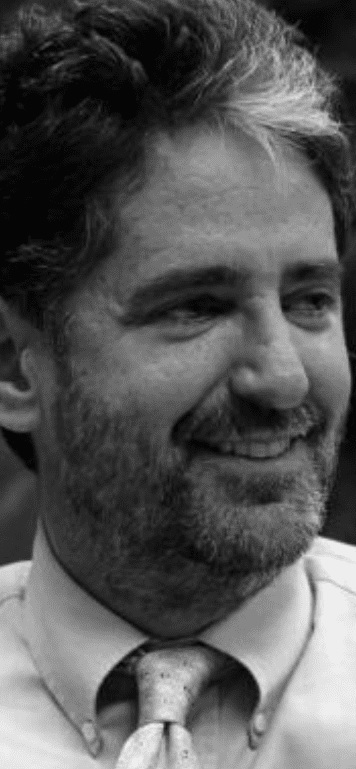
Victoria Montemayor Galicia es Maestra en Humanidades por la Universidad Autónoma de Chihuahua, egresada de la carrera de Lengua y Literatura Modernas Letras Italianas en la Facultad de Filosofía y Letras de la UNAM. Ha participado en Congresos nacionales e internacionales de poesía de los Siglos de Oro, literatura europea, mexicana e hispanoamericana. Colaboradora en las revistas “Círculo de poesía”, “Voces de papel” y “Tres de Leila”. Ha impartido cursos y talleres sobre Arte y literatura europea. Autora del libro “Petrarca y la poesía del Renacimiento”, publicado por la Universidad Autónoma de Chihuahua. Catedrática de literatura española e italiana en la Facultad de Filosofía y Letras de la UACH y Castalia, La Academia. Actualmente cursa el Doctorado en Educación, Artes y Humanidades en la UACH.


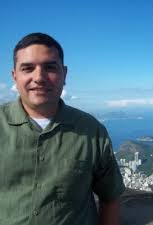
Roberto Ransom Carty es narrador, ensayista y poeta. Es autor de más de una quincena de libros, entre ellos: En esa otra tierra (novela, Alianza, 1991); Historia de dos leones (fábula/capricho, El Aduanero, 1994): A Tale of Two Lions (trad. Jasper Reid, W. W. Norton, 2007); La línea de agua (novela, Joaquín Mortiz, 1999); Desaparecidos, animales y artistas (cuento, El guardagujas/Conaculta, 1999): Missing Persons, Animals, and Artists, (trad. Dan Shapiro, Swan Isle Press/University of Chicago, 2018); Te guardaré la espalda (novela, Joaquín Mortiz, 2003); Regiones de desemejanza (ensayo (Solar/Conaculta, 2007); Árbol de corazones (poesía, El tucán de Virginia, 2009); Vidas Colapsadas (cuento, El guardagujas/Conaculta, 2012) y La casa desertada: Graham Greene en México (ensayo, Aldus, 2017). Realizó sus estudios de licenciatura en literatura dramática y teatro, letras modernas, en la UNAM y se doctoró en la Universidad de Virginia como becario Fulbright-García Robles en el programa de Teología, Ética y Cultura. Dedicado más de treinta años a la enseñanza, ha sido catedrático en la Escuela de Arte Teatral del INBA, en la Universidad Autónoma del Estado de México y en la Universidad Autónoma de Chihuahua, donde actualmente labora.


Sin consecución

0

.

la mano que lee

               despierta

reza un verso en hélice

        el manojo de yerba

otra vez, el hierro que se tuerce

.

hemos aprendido a nombrar la luz que llora

.

la no-organicidad, los juncos atravesando

puedes imantar la sal

una sola huella entre la hojarasca

((( el pensamiento tronante )))

.

las notas desgarran hacia arriba,

como la niña santa sobre un tabique

.

el lirio de la cueva

susurros acanalados;

el sustrato de la materia,

su inusitada libertad,

su brillo que carcome

.

nuestros ojos felinos

son sellos que se estampan sobre las nubes

.

digresión sin aparato crítico:

el mármol de la modernidad

es un sitio cómodo para aludir al presente;

no hay peor muerte que el vértigo del hoy

.

los andamios caen:

la historiografía es una neurosis interminable

.

la sugestiva estupidez, la tribu sin germen;

quiero que no haya conjugación, sino simultaneidad

y así como este ( yo ) es un arco a medio tensar,

el carcaj reúne una cromática que no es autoevidente

.

                                        e s u n i n f i n i t o

r o m b o d e p é t a l o s

.

el paso sin cronología: { n o s o t r o s }

.

los ciclos devueltos

                                       el vuelo que levantan los gorriones en la noche

.

marismas, sobre el cielo se siembra el reflejo inverso de lo humano:

                                        templos de aire | paredes de sombras

.

.


Aldo Vicencio es poeta y ensayista, estudió la Licenciatura en Historia en la Facultad de Filosofía y Letras de la Universidad Nacional Autónoma de México (UNAM). Fundador del colectivo Naufragio. Es autor de Piel Quemada: Vicisitudes de lo Sensible (Casa Editorial Abismos, 2017), el videolibro Anatolle. Danza fractal (El Ojo Ediciones, 2018) y Púlsar (Ediciones Camelot América, 2019).

Su obra ha sido publicada en diversas revistas literarias iberoamericanas como Punto en Línea de la UNAM y Tierra Adentro (México); Digo.Palabra.txt (Venezuela), Revista Antagónica (Costa Rica); Enfermaria 6 (Portugal), La Ubre Amarga (Bolivia); Buenos Aires Poetry (Argentina), Santa Rabia Poetry y Kametsa (Perú); Una verdad sin alfabeto (El Salvador); Cinosargo (Chile), Low-Fi Ardentía (Puerto Rico), El pez soluble (El Salvador, Guatemala, Panamá y Costa Rica); Oculta Lit y penúltiMa (España), entre otras. Ha sido incluido en las antologías Nueva Poesía y Narrativa Hispanoamericana (Lord Byron Ediciones, 2016), Nido de Poesía (LibrObjeto Editorial, 2018) y Luces tras la cortina (Ediciones Kametsa, 2022). Ha participado en diferentes festivales y coloquios sobre poesía y literatura.

.

Martín Camps escribe sobre “A la orilla de la Carretera (crónicas desde Chilpancingo).”

0


.

Vicente Alfonso (Torreón, México) es autor de la novela Huesos de San Lorenzo (Tusquets, 2015), Partitura para una mujer muerta (Mondadori, 2009) y el libro de cuentos Cantar las noches (UACM, 2012). El libro que ahora nos ocupa fue distinguido con el premio Bellas Artes de crónica literaria “Carlos Montemayor”. Un premio justo para un libro que rastrea los pasos de la novela Guerra en el paraíso de Montemayor publicada en 1991 donde relata el conflicto en Guerrero de 1971 al 74 durante la guerrilla lidereada por Lucio Cabañas, el fundador del Partido de los Pobres (PDLP). Las crónicas de Alfonso relatan la espinosa situación que se vive en esta región “donde todo se pudre más rápido” (57) controlada por el crimen organizado. Alfonso y su familia vivieron en Guerrero y experimentaron de primera mano lidiar con balaceras y organizar la vida cuando la violencia salta en cada esquina. El autor relata desde los conflictos por remover la basura y la contaminación de lixiviados (el líquido peligroso que mezcla residuos orgánicos e inorgánicos) hasta el desbordamiento de cuerpos en la SEMEFO, escribe que allí llegaron los cadáveres de un crematorio que estafaba a sus clientes dándoles arena con cenizas.

Cada crónica es un recorrido por un territorio bronco donde se debaten grupos como “los Ardillos”, “los Rojos” y donde las carreteras están plagadas de retenes en veces establecidos por militares y en otras por grupos de autodefensas. Caminos extraños donde de pronto aparece un convoy de Ferraris y Lamborhinis. La brújula es el libro de Montemayor que Alfonso sigue a lo largo de su libro, se pregunta: ¿cómo construyó Montemayor esa novela sin ser un reportero de investigación? En cada crónica, Alfonso, nos ofrece detalles de cómo se ejerció la represión en ese estado durante la guerrilla, por ejemplo, deshaciéndose de los cadáveres arrojándolos al mar en costales con piedras. El libro recoge también anécdotas más livianas como la historia de que García Márquez iba rumbo a Acapulco cuando pensó en escribir Cien años de soledad. Nos dice que algunos piensan que Macondo puede estar basado en Chilpancingo, donde en una carretera recuerdan todavía “a un bigotón de acento extraño y que tomaba notas mientras espantaba con su sombrero las mariposas amarillas que aquí abundaban en verano” (47).

La realidad de Guerrero es por demás trágica, desde padres que tienen que buscar a sus hijos víctimas de las desapariciones; dice un padre desolado por su hijo asesinado: “Veníamos por un título, nos vamos con un acta de defunción” (55). Las cifras que nos ofrece son espeluznantes: 26 mil cadáveres sin reclamar en las morgues y más de 40 mil desaparecidos y 1,275 fosas en todo el país. Fosas clandestinas donde madres buscan a sus familiares clavando varillas en la tierra para “romper bolsa” y encontrar restos humanos. Las crónicas nos presentan un estado de derecho fallido donde “nadie sabe de bien a bien quién gobierna Chilpancingo” (89). Pero se pregunta ¿cómo reestablecer el tejido social en estas zonas donde hay tanta pobreza? Sin duda es por medio de la educación y eliminar los juegos de simulación y por supuesto también con información de primera mano como lo hace este libro donde lentamente va educando a sus lectores en la compleja situación en Tierra Caliente. Por ejemplo, nos explica la diferencia entre la “policía comunitaria” y las “autodefensas” donde las primeras están respaldadas por la ley y las segundas operan en la ilegalidad.

Las crónicas también mencionan a los periodistas asesinados a lo largo del país, como Miroslava Breach, Javier Valdez y Cecilio Pineda y el creciente ambiente hostil que hace cada día más difícil el trabajo de los reporteros que caminan por una línea invisible y que añade una ola de misterio e incertidumbre a su trabajo. A la luz de los recientes asesinatos de Lourdes Maldonado y el fotógrafo Margarito Martínez, ambos de Tijuana, el libro es un recordatorio de la peligrosa y heroica labor de los periodistas que se adentran en territorios escabrosos para mantener informada a la opinión pública.

  Las crónicas regresan al libro de Montemayor y las dificultades para escribir el libro que puede ser leído como una crónica pero que el escritor chihuahuense la disfrazó de novela para proteger sus fuentes. Describe una comida con otros escritores norteños como Víctor Hugo Rascón Banda, Ignacio Solares, José Vicente Anaya, entre otros, Carlos Montemayor mencionó que estaba convencido que moriría en ese territorio: “yo por lo menos estaba seguro que me mataban, incluso hubo un momento en un poblado lejísimos, por la sierra de Tecpan, en que incluso hasta me enconchaba porque estaba esperando el disparo”. (106).


Vicente Alfonso también evoca otros libros importantes sobre Guerrero, por ejemplo, las crónicas de Ricardo Garibay en Acapulco donde entrevista a guerrilleros presos y los profundos contrastes entre los turistas bronceados de sol y los pobres quemados o tatemados por el crimen. Se dice que después de la publicación de su libro, Garibay no volvió a pisar Guerrero. También menciona la novela Guerra de guerrillas de Marxitania Ortega y el ensayo Los 43 de Iguala de Sergio González Rodríguez, entre otros. Alfonso también recuerda sobre el paso de la escritora Patricia Highsmith que recorrió el estado en busca de experiencias para sus relatos, de los cuales escribió: “En la plaza” y “El coche” que están ambientados en Taxco. Ella decía “las cosas no siempre son lógicas en México” (143).

A la orilla de la carretera (crónicas desde Chilpancingo) nos ofrece un cuadro de la situación imperante en este estado y las trapacerías del crimen. Alfonso nos explica que “Guerrero es el líder en la producción continental y tercer lugar mundial de goma de opio” (135) y en efecto, los campesinos prefieren plantar amapola que maíz porque es más rentable. El autor nos muestra que las montañas de Guerrero son tierra de nadie sumidos en una vorágine de pobreza y violencia que se siente hasta nuestros días, como dice en su crónica “Guerrero es una bola rayada” refiriéndose al proceso de hendir con una navaja el bulbo de la amapola para extraer la goma de opio, dice; “tras la sangría no les queda ningún beneficio, nomás las heridas” (140).

.


.

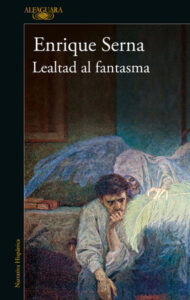
Martín Camps es profesor de la University of the Pacific en Stockton, California, donde es también Director de Estudios Latinoamericanos. Sus dos últimas ediciones de ensayos son La sonrisa afilada: Enrique Serna ante la crítica (UNAM, 2017) y Transpacific Literary and Cultural Connections: Latin American Influence over Asia (Palgrave, 2020). También ha publicado cinco libros de poesía, entre los que se encuentran Extinción de los atardeceres y Los días baldíos. También es autor de la novela Horas de oficina..

Imágenes del silencio

0


Introducción por Jaime Baillères:

Me encuentro a Viviana en su montaña de augurios, por los límites de su mirilla, y pienso:
El secreto es necesario, se ubica en el derrotero de lo que suponemos es lo verídico, o lo discrecional, y al mismo tiempo, al silencio. Al igual que las formas de luz que son guías y nos permiten encontrar la otredad, el sentido dialéctico de los elementos que se suscitan en ciertas fotografías, es lo que nos lleva por ese camino.
Para ello hay que usar cierto tipo de anteojos. Su semiótica es compleja a pesar de que se aluda a la simplificación de su composición.


Quizá sea que las imágenes no sean indefectibles, por necesidad, a ciertas interpretaciones. O dicho de otra forma, a la música, como lo planteaba Kandinsky.
El viento, los insectos, las pisadas, o el agua que avanza por recovecos, provoca misterio, pero también certidumbre. En esa dicotomía, los que vemos esos lugares, podemos acomodarnos en la contemplación o en ciertas complicidades.
Pero entonces el sonido se vuelve escurridizo.

En las imágenes de Viviana Carlos, conviven ambos, el silencio y los sonidos, la música y la estridencia, el grito y el suspiro. En su búsqueda de los ambientes, al ver sus lugares, inventamos conversaciones con susurros, voces interiores que nos hablan en cierta lontananza rulfiana, pero al mismo tiempo, besando a un monstruo agazapado, que inventa un lado oscuro.
Un poco como Lynch, que nos advierte de lo terrorífico, con terciopelo.

En sus imágenes, la forma abstracta es orgánica, digamos que es un hallazgo. Resultado de una observación constante de la forma, el espacio y su sonido interior. Intimismo per se.

Viviana relata las formas de la sombra, el filo del cuchillo, el hoyo en el horizonte y una señal secreta en el camino, luego baja la cámara y sonríe en algunas de sus imágenes que recién ha capturado.
Viviana camina por la narrativa de la contemplación, de quien encuentra su propio guión, no en la veracidad, sino en la ficción de la imagen, pero también, no es (re)producción de imágenes, sino producción de alteridades.
Es complejo. Y lo es porque, en sus imágenes no hacemos a un lado, a ese dispositivo del misterio que nos habla en silencio.

Sobre la autora: https://vivianacarlos.com/about/


Higuera habitante, 2020


Un cuerpo debajo de la higuera buscando raíces, 2020


Señal, 2020


Montaña habitante, 2019


Un cuerpo debajo de la higuera II, 2020


De la serie Identidades Separadas, 2014


De la serie Identidades Separadas II


Augurio I, 2016


Cuerpo, 2019


Hoyo de luz, 2014


Hábitos, 2019


Abstracciones urbanas, 2018-2019


Abstracciones urbanas, 2018-2019


Abstracciones urbanas, 2018-2019


Entrada en el jardín, 2016


Concreto y flores, 2017


Huésped, 2016


Camelias flotantes, 2020


Entropía, 2015


Subir a la montaña es encontrar augurios, 2017-2019


Subir a la montaña es encontrar augurios, 2017-2019


Alto vuelo, 2019


Arribar es una ilusión, 2019


Procesión, 2016


Ofrenda, 2016


Viviana Martínez Carlos estudió Licenciatura en Artes Visuales, UGTO. Cursó el Taller de Fotografía impartido por la agencia Magnum en la Universidad de Texas en 2016. Completó el Diplomado en Antropología del Arte impartido por el CIESAS en 2018. Durante el año 2015 exhibió su obra en el Consulado Mexicano en el condado de Orange, California. En 2016 fue seleccionada para la séptima Bienal Miradas del Centro Cultural Tijuana. Ese mismo año expuso también para FOCUS, exposición organizada por la feria de fotografía Photo LA, además de participar en una exhibición colectiva para Berlin Art Week. Del 2017-2018 fungió como archivista y catalogadora de las colecciones de arte y archivos fotográficos de “E.O Hoppé Estate Collection” y “Hans Burhhardt Estate Collection”. Del 2017 al 2018 enseñó fotografía a mujeres adolescentes en la organización Las Fotos Project en la ciudad de Los Angeles. En 2019 es seleccionada para dar una charla sobre su trabajo en Open Show Pasadena/East LA, en el Museo Armory Center for the Arts. Durante 2020 realiza residencia artística en Estudio Abierto, San Francisco Lachigoló Oaxaca, México. Durante el 2021 recibe una beca de educación para jóvenes por la organización Root Division. Actualmente reside y trabaja en la ciudad de San Francisco, California.


Jaime Baillères es fotógrafo desde 1974, hizo estudios en el C.F.M. de la Ciudad de México de 1981 al 83.
Sociólogo, con Maestría en Ciencias Sociales y Estudios Culturales.
Doctor en Historia del Arte.
Actualmente es profesor investigador PTC y coordinador del Claustro de Teoría e Historia del Arte en el Departamento de Arte de la Universidad de Guanajuato.

Por su trabajo y trayectoria fotográfica en el 2008 fue nominado por el Columbia College de Chicago al premio Grand-Prix Cartier Bresson en París.
Recibió en 1997 junto con otros fotógrafos juarenses, la distinción Infinity Award del ICP de Nueva York por su participación en el proyecto Juárez; the Laboratory of our Future de Aperture books, del autor Charles Bowden.

Ha expuesto su obra fotográfica en México y el extranjero desde 1994.

Asesor de Becarios FONCA del 2018 al 19.

Miembro fundador del Centro Fotográfico del Bajío A.C. donde dirige el Área de Investigación de Historia de la Fotografía en México.
Desde el 2000 ha sido curador de varias exposiciones sobre fotografía, la más reciente Exilios del Imaginario 50 años de fotografía en Cd. Juárez en el Museo de Arte de Ciudad Juárez, junto con la maestra fotógrafa Itzel Aguilera.


Mother at Eighty

0

.

.

.

I am always trying to get home in dream, but the wind wants a word

    and a fire in the woods shakes its curls

      and I lose my sword which is no sword at all

      but a wand I use as crutch

.

.

And finally I see that there is no home

  but I didn’t realize this until they tore down the house

    slashed the trees and left the country without saying goodbye

.

.

Abandon hopes for punishment

     The stallion loves the fields of the dead

     but it is the burn of your heart that I hear the most

.

.

I think it better now to think of you as absence —

  that pale disc of sun on a white clouded day —

and only later remember what you were to me — bright, shining home of all my happiness

    .

  .

.

.

.

.

.

.

.


Louise Wareham Leonard is author of several short novels, including 52 Men, (Red Hen Press, Pasadena, 2015) which is the subject of a long essay in the LARB by Amanda Fortini. Her first novel Since You Ask (Akashic Books, New York, 2004) won The James Jones First Novel Award.

A story Fiery World and an early book of poetry Blood is Blood are available as Amazon Kindles. Louise is also online in Tin House and other journals. She immigrated with her family to New York City from New Zealand and was first published in Poetry.

The title “Mother at Eighty” is after Charlie Smith’s poem of the same title in “The New Yorker” in 1992.


@Photo by Matthew Leonard

.

Geranios

0

.


Yo

tampoco

que

había

donde

ahora

está

esa

mancha

amarilla

.

en

el

sueño

estamos

en

la

casa

de

la

geranios

cuando

aún

podías

ver

las

vigas;

como

las

costillas

de

los

perros

del

barrio

.

la

rancherita

suena

lejos:

siesta

en

una

poniente

sur

..

.

hay

una

nota

en

la

cocina

con

la

letra

de

mi

abuela

julia,

un

salmo:

.

eric

me

fuí

a

el

paso/

te

dejé

pizza

.

el

ruido

que

me

despierta,

siempre

es

el

tren.

..

.

BMX

.

Desde

el

primer

piso

del

hospital

general

# 66

.

veo

un

friko

oxidado

sobre

un

techo

de

infonavit

.

en

toda

la

calle

como

si

alguien

la

hubiera

olvidado

ahí

.

sólo

una

lila;

más

alta

que

la

casa

.

por

aquí

pasaba

la

1:A

.

este

terreno

donde

construyeron

el

edificio

que

a

momentos

parece

una

película

de

gaspar

noé

.

antes

era

unas

rampas

para

los

BMX

de

ese

barrio

.

ahí

probé

los

medicamentos

que

mi

tía

Laura

toma

desde

los

16.

.

.

.

.

.

.

.

Eric Roacho Saldívar nació en Ciudad Juárez, México, en 1988. Forma parte del taller literario BISONTE. Vato es su primer poemario publicado en 2016, bajo el sello de la Universidad Autónoma de Ciudad Juárez, por haber obtenido el primer lugar de la convocatoria Voces al sol. Escribe actualmente su segundo poemario, el más desafiante, titulado Cactus, en el que recopila escenas familiares punzocortantes.

.

.

The Great Escapes

0


.

The holocaust literature written by survivors has overall two fundamental purposes: one being the portrayal of the horrifying event itself in order to awaken the collective consciousness for those individuals who are unaware of the infamous past, therefore the history ought not to repeat itself and stay true to the principle Never Again. Secondly, is to explain the historical origins of such horrifying event. Within the second category writers often intend to depict how it was possible for a human being to adapt, survive and withstand the infamous route of humiliation, de-humanization, inferiority and subordination. A path that starts with the capture, leads through deadly interrogation and d if survived, death awaits in forms of labor or concentration camps When WWII started Kazimierz Piechowski (1919-) and Ryszrad Rieff (1923-2007) were polish boy scouts, once captured and had witnessed the route of dehumanization, humiliation and hard labor in two different concentration camps, Nazi and Soviet, respectively. Nevertheless, they managed to escape. Piechowski and Reiff did not have normal childhoods; instead they were shaped by the seeds of war and became extraordinary soldiers, willing to fight and give up their lives for their fatherland. Although the enemy may have managed to suppress their humanity, the men’s remarkable will to survive and fight back remained. The memoirs of Piechowski and Rieff pay homage to those who suffered, died and the few who were brave and lucky enough to escape and survive.

This essay will explore their journey in order to compare and contrast the circumstances of capture, the transportation methods, camp life in Auschwitz, and Soviet Labor Camp, and essentially to portray the great run-away. In his memoir Gra o Zycie (=The Game is to Live) (1993) Reiff reconstructs his story as partizant [resistance fighter], soldier, commandant and political prisoner in remote Soviet labor camp near Ostaszkow. Moreover, he escapes on foot nearly 1,500 miles and returns to Poland with two other fellow prisoners. Eventually, he becomes the president of Poland, which is illustrated in Archiwum Stowarzyszenia PAX (1990). The recently filmed documentary “Uciekinierzy” (2003:2010) [Escapers] depict from retrospective point of view Piechowski’s flight from the mostly feared Nazi Concentration Camp, Auschwitz. Piechowski visits Aushwitz for the first time in 55 years and narrates the escape while film goes back in time and reproduces in detail this remarkable event with Piechowski’s voice retelling the story in the background. The production by M. Pawlowski received numerous awards in Poland and outside of the country (Felis:1). Piechowski’s memoir My i Niemcy (2008) [We and Germans] allows for further investigation of camp life, conditions and attitudes towards both the oppressors and the victimizers.


   The Capture:

The beginning of war was very harsh for Poland, the country in question was attacked on both fronts, approximately at the same time. Piechowski comments: “[in] September 1939: The German [Nazi] war-machinery begun. The Germans attacked Poland with fury. We were too weak in order to defend our country. In eastern Poland [invaded by Red Army] intelligence, teachers, clergy and councilman were shot on the spot” (2008:56). Possibly the invasion of Red Army alludes not only to killing, but also to massive captures and transportations that took place in the later event commonly known as Katyñ Masacre, which was carried out on the orders of Stalin in March 1940. Meanwhile, on the western front the agenda was simple, namely to out-root the Polish habitants and inhabit the same land with Germans (56). WWII begins with the great battle of Westerplatte, the Nazis enter shortly after and the Polish Resistance collapses (Paw44; 3:48). Piechowski was a twenty-year-old boy-scout at that time, “when the war begun, the Nazis hunted for scouts and shoot them on the spot” (Paw44; 3:55). To avoid the death row he and other boy scouts were planning to run away to France through Hungary in order to form Polish Alliance in France; unfortunately, they were caught by Gestapo before they crossed the border of Hungary (Piechowski, 2008:96). It is commonly known that boy-scouts in Poland were considered a criminal organization, and thus they normally were executed without any exceptions. In the city of Bialygrod, he and his friend Alek were held in a basement for six days; “[a]fter six days they [gestapo] took us out and let to the office, they wrote in the protocol: Illegally tried to cross the Hungarian border, with the intention of joining the armed forces in France and fight in armed combat against the German nation” (2008:96). However, Piechowski adds that the Gestapo refused to execute him and the other boy-scout because they had “something more interesting [for them], which turns out to be KL Auschwitz” (96). Perhaps it was Piechowaski’s young age and his will that made the Gestapo change their mind, or an act of unconditional luck.  Consequently, his painful trajectory begins. Piechowski with others prisoners were sent to Gestapo prisons only to arrive in the end in Auschwitz.

Before WWII Ryszard Reiff studiedlaw at the Warsaw University, nevertheless the path he is forced to take in life makes him a unique man. When the war breaks out Ryszard Reiff was a seventeen year old student and a boy-scout. At this very young age due to the surrounding circumstances he entered the Polish Resistance Movement and became a partizant fighter [resistance fighter], later Underground Movement and finally, Armia Krajowa (AK) [Polish Army] and he became a real soldier and at last a commandant (Lodzinski, M: Interview 1). More specifically, his exquisite military abilities allowed him to achieve this military rank, in fact he was in command of Kadrowe Battalion when he fought Germans near Nowygrod (Interview 1). He used to be good at conquering Bunkers, his grandson – Mikolaj reveals:

He used to tell us, grenades and bunkers were the most important strategic points to obtain, all you had to do is to get relatively close, one soldier created a disruption and the other comrade threw few grenades to the bunker, ka-boom, it was a bloody mess he used to say (Lodzinski M, Interview 1).

.

Rieff fights for his fatherland from the very beginning of the war, eventually he runs out of luck towards the spring of 1944. At that time the Red Army is no longer cooperating with Nazis because Hitler declared the war against them, but in 1944 the Soviets are recuperating the territories from the Nazis. Rieff and his squadron of soldiers found themselves outside Warsaw, earlier they intended to liberate Wilno under the command of general Stryczanski, “[but]many perished among ours in vain” [Reiff, 1996:20]. Reiff received an order to mobilize the troops outside Warsaw in the region of [1]Puszcza Rudnicka. Unfortunately, the entire situation was not beneficial, those soldiers and partizant fighters who were joining his troops belonged to distant squadrons, “[the troops] they were unsure, undecided, they could not determine from which squadrons they were coming from, probably they belong to a small conspiracy” (21). Moreover, they were hungry and exhausted, also there was a badly wounded friend Satyr, who was transported on horse; the morale was overall very law, on top of that, the Red Army fighters were advancing through the fields. Due to the highest rank, Reiff was in charge, but he was in an uncomfortable situation, he was forced to select five soldiers for patrol, hence the “small conspiracy,” he did not want to select from those with whom he fought and were close to his heart, for this very reason he justifies his decision as follows “…I called for volunteers, not underlining that I am exclusively interested in those new comers” (21). The soldiers had overseen his plan, that night no one slept, two of his close men and three of the others headed together with the mission to encounter safe passage (22). Rieff looks at his florescent watch, according to his estimate, after fifteen minutes, there is an exchange of fire, the Red Army soldiers welcome them with heavy caliber guns; Reiff comments: ”From the patrol two out of five did return, there was no chase. It was a miserable relief because the situation has drastically changed. Now we were de-conspired” (22). The commandant decides to retreat to Warsaw instead of plowing through the wilderness of Puszcza Rudnincka the route was twice as long and besides the soldiers were exhausted and hungry.

Under the cover of night they move out towards Warsaw and after three hours of marching those additional resistance fighters discretely go their own way. Reiff and his small group of thirteen soldiers find refuge in a random farm, they do not need to take it by force because the owners are very friendly Poles and let them rest in the barn. Reiff ordered one of his men to watch the station because behind the farm there were only fields and the enemy would be visible for miles, they sleep for about six hours; “everything happened so suddenly. How did it happen, I have no clue. It was an experience different for every one of us and it would require individual stories” (25). Everyone was separated and intended to safe himself individually; scattered soldiers woke up from deep dream while Soviet soldiers were surrounding the farm. Reiff is the only one, who sleeps in the house in a real bed while the rest of soldiers occupy the barn. Reiff sleeps with the gun by his side, rapidly puts the shoes on and runs towards the forest, and this is when the unbelievable encounter takes place. The soviet shoot in the air avoiding hurting those running towards the forest, some of the polish soldiers lay face down holding weapons. Rieff runs side by side with Zbyszek, bullets fly by and hit them, luckily only the caps get holes in them, suddenly a few armed Soviets appear holding machine guns and guns with bagnets, a few of Rieff’s men fall down aim but do not fire (26). “This very bagnet [knife at the tip of rifle] stopped me. It was a brief but a significant moment, there was no time for thinking. The instincts decide. I could have pulled the szmajser gun. I did not fire, he neither. It was unbelievable” (26). Reiff explains in the stream of consciousness that if it were a Nazi soldier or SS-man pointing his bagnet in his stomach, he would never give up, they would both shoot. Not only because the death from bullet is better, but also the tortures that the partizants must withstand and suffer are simply unbearable. After the capture there are led to the center of the Puszcza Rudnicka, they do not know what to expect. Reiff again follows his intuition “[i]ntuition is an immeasurable component of decision. At least in those times, which I describe, surrounded by bushes forests and steps,” and it was the only reason why they all survived, they did not intend to regain arms form the Soviets in order to fight and flee.

Reiff’s son explains that normally, the Soviets would have executed any military officers on the spot, without any trail, but my grandfather was smart and lucky enough to use false documents, when they captured him and his unit, the Soviets thought that they were acting as partizants not soldiers from Armia Krajowa [Polish Army] explains Lodzinski (Interview 2). Moreover, Reiff used to have a lot of documents that he acquired in Warsaw underground the more you had the better, and this is how he gets away with his military identity, in other words the Soviets thought they were either regular residents smuggling arms or random partizants (Interview 2).

After the long march they reached the enemies camp, where he describes the brain washing methods of Soviets and finds out that they will be sent for “2,3,5 or 10 years on the far East in order to work and live until we experience so called rehabilitation” (34). Rieff was unable to decipher the whole situation, although the atmosphere in the enemy camp was affected by the fact that he did not fire at that time. He explains additionally, under the Ribbentrop-Molotow Pact, Stalin was supposed to clean up the terrains from Nazis because Poland was supposed to exist, however, now he was abusing his power executing soldiers especially from the Polish Army (AK) without any mercy (34). Perhaps the fact that Rieff did not fire had changed the trajectory and he became a prisoner instead of being one of the fallen corpses. There was no trial. He was interrogated shortly; the questioning lasted for two hours, the Soviets confirmed his false identity, afterwards without any trail he and his men were sent to a train station (Interview 1).

  Both Rieff and Piechowaski did not have a normal childhood; the best years of their youth were consumed by the seeds of war. They were very young boy-scouts when the war broke out, yet their extraordinary skills and will to survive was not suppressed by the enemy. They were forced by the brutal circumstances to adapt and survive, at the same time they never lost their patriotic spirits, and it was perhaps what kept them alive. At the same time, they were lucky enough not to be executed on the spot by the enemy, and consequently were sent to two brutal and very different labor-concentration camps. Reiff had the opportunity to fight before he was captured, however Piechowaski did not, yet once he ran away from Auschwitz he fought in the Polish Army (Felis: 1). Unfortunately, the route to freedom was filled with everyday dangers, starting from the interrogation and including the transportation.

   The Interrogation and Transportation:

Piechowski (2008:97) reveals: “My way to KL Auschwitz from the beginnings of November 1939 till 20th June 1940 lead thru Gestapo in Bialygrod, prison in Sanoku, prison in Krakow-Montelupiach and extreme Prison in Nowy Wisnicz.” Nevertheless, the documentary Escapers portrays more sentimental thought towards the same matter, after the survivor mentions the above institutions, he adds “[a]nd finally we were taken to this darn hell in Auschwitz” (Paw44; 13:15). Overall, Piechowski was held seven months and visited four different prisons before reaching the final destination, darn hell. In this vein, Piechwoski gives inside of how the oppressive state apparatus looked like and who was held within. These jails used to be polish official buildings, which were modified by Nazis to accommodate and interrogate prisoners (2008:97). Namely, political prisoners accused of conspiracy, involvement in Underground, or those captured who tried to run away were so brutally treated during the interrogation that oftentimes they did not even reach the trial, however, “[t]hose who survived were sent into concentration camps where they suppose to stay at least till the end of the war” (2008:97). Naturally, the seed of hope uttered by the Nazi “till the end of the war” was very sarcastic, perhaps it gave people hope, but once they reached the destination, they probably understood that they sadly might not survive till the end of the war. After all, Piechowski is removed from the inhuman experience of transportation, oftentimes witnessed by Jews, especially by those who were brought from distant countries; hordes of people squeezed in commercial wagons like sardines, traveling for days with no food or water.

A celebrated author Elie Wiesel (1928-  ) illustrated such treatment in the remarkable memoir The Night (2006:23-27). Wiesel reproduced his own and his father’s experience. They were transported in 1942 from Hungary into the same camp as Piechowski – Auschwitz. On the other hand, Piechowski had been captured in 1939 at the beginning of WWII and he was already gone before Wiesel and his father had arrived. Moreover, Piechowski was among roughly 320 Polish prisoners, who reached the concentration camp on 20 June 1940 (Felis: 1). Furthermore, he was in the second transportation that reached Aushwitz, the first one came from a Polish city Tarnow in which Edward Galinski was held (Felis: 1). Galinski becomes the co-organizer of the great escape from Auschwitz. On June 20 1940 Piechowski becomes number 918 what also reflects his early arrival (Piechowski, 2008:197).

Reiff was twenty one years old when the Red Army captured him in Fall 1943. He and his soldiers left the camp and after four hours of marching they arrived at the railway station (1993:35). Only four soldiers stood by each wagon, moreover the wagons had not been inspected, Reiff spotted few loose boards, a possible escape was an option in a future station, Rieff had passed a notice among his inmates. The train used to stop a lot for hours, gradually his man started to flee, Reiff also managed to run away with his comrade Zbyszek. They returned to Warsaw and acquired again false papers, later on Reiff functioned as a priest for nearly six months. In January 1944 he was captured by Soviet Secret Police, NKWD, this time he got into real trouble. An authentic and brutal interrogation took place, it lasted five days, they got out of him what they wanted to hear, he was suspected of conspiracy and spying, but he held to his false identity, did not give away any names and was not executed. Finally, the fifth day he was transported to a railway station, where unknown destination awaited him. Perhaps Piechowski does not witness the horrors of transportation, but Reiff indeed does. The lector encounters similar images to those described by Elie Wisel in The Night. Reiff started the fifth chapter of his book with the following description:

We were squeezed, when six of us was standing, six could seat, the worse were nights half-seated, half laying individuals slipped on the bottom, those underneath were trying to get on top, and so the human mass was in constant movement (97).

This time the wagons were heavy duty and carefully inspected every few hours, thick roofs and floors, no lose boards, each wagon had two guards on each end, this time the escape was nearly impossible, “although five men tried to escape once they got out were immediately shot” (98). This created an unusual situation among soldiers, a reaction one would not expect. The soldiers were afraid of lost prisoners and the future count, therefore the next day they picked up five random farmers from fields simply inviting them to the wagon, “these poor peasants were only worried about their left horse, if they knew where they were going” Reiff adds (98).

The food consisted of dried bread, a cube of sugar, and even a smaller cube of bacon, during the entire journey they did not get anything warm, although tea in raw form was given by the Soviets, the inmates used it to make cigarettes. The wagons were overcrowded, men, women, and even older children, all looked like random civilians, it was hot and humid, after the first twelve hours people would do their physical needs in silence, but no one would say a word (Rieff: 99). There were moments when the train stopped for couple hours, and each time more wagons came, or some were exchange at the longer stops soldiers opened the door for the moment and gave single bucket of water for the entire wagon, and it was when the massacre begun, explains Reiff’s grandson, Mikolaj (Interview 1). And indeed, so it was, according to Reiff’s experience, starved and thirsty men fought about the single bucket ripping each other throats out screaming and yelling, one old man nearly suffocated in this fight. Eventually they ended up spilling the water all over, and everyone was blaming each other, “After watching this happen once I decided to put end to this insanity” says Reiff, together with five strong man formed a “committee of five” and took control over the water distribution, they established a hierarchy in which firstly “the sick with hemorrhoids received water, the lack of liquids and dry bread gave them additional pain, then women, and finally males; those who opposed were held by force and oftentimes received a brutal treatment, such as being knocked out (Reiff: 99). Same behavior confirmed Mikolaj and Antonio Lodzinski in their stories emphasizing that oftentimes the long wait outside the train for other wagons was especially troublesome because the water would come from both ends of wagons and those in the middle did not get enough water, or no water at all. Reiff (100) informs “[i]n such case those who did not get last time, received a double portion, and this is how the game is to live used to be”. Most likely, from this passage the idea regarding the title was born, although he refers to this phrase numerous times in his book. In addition, according to his grandson for Reiff the survival game was the daily bread, the double capture, maintaining the false identity, a false biography was indeed an art, especially in front of the enemy, it was a deadly game to survive (Interview 1). Overall, the transportation was a long and exhausting journey according to Reiff:

[f]inally after twelve days and nights of drugging, we arrived in our wagon at Ostaszkow station. Bad omen, the name Ostaszkow awakes the worst memories…I said to myself five years. This is the price I have to pay, this the limit I give myself. I was thinking about the escape from the very first day (102).

It took the Soviets four days to take them to former border of Poland, Wilno, and Nearly two weeks to reach the final destination, Ostaszkow. It was surely a memorable journey.

Both Rieff and Piechowski, were extremely lucky, to outwit the enemy and to receive unconditional “mercy”, respectively; mercy filled with irony because it bought them precious time to live but in the same fashion with each moment, they found themselves sinking deeper into the oppressive apparatus of the enemy. Both men experience the horrifying interrogation, performed by the two most fearful institutions, the Gestapo and NKWD respectively, yet they managed to withstand. Reiff experienced the horrors of transportation similar to those described by Elie Wisel in The Night, moments well remembered by his son and grandson, resting in the banks of long term memory that awaken strong memories as if they were their own. Consequently, the interrogation and the transportation were just the beginning of the hell. Reiff found himself nearly 1500 miles away from home, while Piechowski entered “the darn and forgotten place” Auschwitz (Paw44).


  The Labor Camps:

When Piechowski revisits Auschwitz for the first time in 55 years and crosses the gate sign Arbeit Macht Frei, he utters: “The Auschwitz syndrome is deep inside in me” (Paw44). To follow the same path of thought one ought to link this reasoning towards the introduction of Piechowski’s book We and Germans, in his proper words:

[t]his extermination camp was a place where human to other human makes something, what cannot be expressed or defined in any language in the world…What allowed them to survive such human forsaken place? This question I try to answer in this unusual book (2008: 3).

He witnessed the Auschwitz from the very beginning considering he was in the second transportation. Consequently, he narrated the development of Auschwitz-Birkenau camp and after the war he also studied the Nazi archives. Between January 1940 until the end of January 1942 the development of Aushwitz costs live of thousands of people and according to the documents from KL Auschwitz 36.285 people had been held there (2008:68). In this time frame the Nazis killed around 1.775 prisoners with Cyclone, 2.435 were moved to different camps, 76 were “dismissed” and 5 ran away, but got killed (68). According to his calculation, 31st January 1942 the count should be 32.014, unfortunately, at that day the total was 11.449 (68). Consequently, over 25.000 prisoners perished from hunger, disease and slave labor (68).

During his first days in the camp they were performing so called sports:

[t]he aim for that was to break our will and suppress any idea to runaway. Kapos and SS-man gave us an entire repertoire of tortures Kniebaun, Hüpfen, Rollen [bands, jumps, rolls]. It lasted for hours, whole day I was rolling, covered in mud and sweat. There was no break, later Tanzen, [dancing]…(197).

The purpose of the executive SS man in Auschwitz was not only to physically eliminate the inmates, but the SS rather wanted to make their victims lose the leftovers of their humanity and dignity before their death. The main tool serving this very purpose was hunger and inhumane conditions. Piechowski adds (73): “[t]herefore, the most important matter of a prisoner was to survive till the next day. People were weakened by starvation and forced to slave labor in any weather conditions: paralyzing cold, deep snow, intense heat, and in the mud reaching the knees.” Hence, the metaphorical translation of the sign in Auschwitz Work Makes Free, once the Nazis work prisoners till, they were incapable of working such individuals were not useful and died either from hunger and abuse or by the hands of their oppressors. The highest death harvest took place usually in the fall and spring, many people perished by diseases, and others were shot, and their corpses burned in the crematoria. Piechowski elaborates this very matter in the documentary with greater detail. Moreover, he recalled cases of inmates who were enormously exhausted from the prolonged physical labor and while pushing wheel-barrel the prisoner was simply unable to straighten his back although he tried,

A SS-man notices it [crooked back] and calls him. He tells him to take his cap off. The prisoner takes the cap off and gives it to the SS-man. He knows that he has only seconds of life left. He is fully aware of it. The SS-man throws the cap far beyond the work site and tells the prisoner to fetch it. The prisoner slowly walks step by step waiting for the shot to be fired. The prisoner falls to the ground. Afterwards the SS-man receives three days of leave for preventing escape (Paw44).

While Piechowski narrated this event, a slide show of black and white pictures reproduced this horrifying trajectory. His voice was sad, monotonic, yet powerful as it left the spectator with goose bumps, wondering what it would be like to know that the moments of his or her life were counted. Piechowski (2008:75) explained the secrets of survival, which were contrary to those individuals who over-worked their bodies and as a result were unable to straighten their back, consequently a SS-man considered them useless. In the first place one needed the will to live as one ought to sustain the strength. Piechowski played along, when there were no Kapos or SS officers watching he rested, when the inmate was observed, he pretended to work hard (75). However, there were moments when Piechowski himself was at the threshold of losing his will.

In the documentary, he explained that after months of hard labor and hunger he lost his strength and was at the point to giving up, yet on the morning roll-call he stood next to a true Muselmann, who estimated that he reconciled with his limping death and he did not want to live or to withstand until the end of the day, after the roll-call he threw himself on the barbwire (Paw44). This shocking experience lead Piechowski to understand the paradox of lost will. In other words, one will lose faith and become a Musulmann, only if an individual will not get a grip of oneself. This was a breakthrough experience for Piechowski because he found strength in his weakness, hence the paradox. Otherwise, the Nazi strategies to starve and physically extinguish people were very effective, and as a result they were able to reach their goal, mainly to see that their victims losing the rests of their humanity and dignity before their death. Consequently, many people were selected by SS-man and were simply executed outside the work field in the manner described above, or at the infamous Wall of Death.

The documentary portrays Piechowski appearing from a deep fog and walking towards the Wall of Death, a short one way street surrounded by two brick buildings on the left and right. Moreover, the survivor explained that when he was brought in that place for the first time, he nearly fainted (Paw44). The camera offered a close-up on this reinforced wall full of bullet holes, which is located in front of a much taller brick wall (Paw44). Below the Wall of Death one recognized a homage to the victims, dozens bouquets of fresh flowers layered on the ground (Paw44). Piechowski uttered that his task was to pick up the corpses after the execution took place; before the execution naked prisoners came out from the building next to it, and were lined up facing the wall, “[t]hen Palitsch, the master of death would shoot them in the back of their head…And the heap of corpses grew” (Paw44). Suddenly the camera became blurry and foggy once the sharpness was restored Piechowski stood next to a cart-wagon full of corpses, although it was a computer trick, he was pasted on an old black and white snapshot portraying a cart full of corpses by the Wall, it seemed real and dramatic to the spectator; then the survivor explained the loading methods and mistreatment by guards (Paw44). Although they worked in pairs throwing the bodies by the legs and arms, they were repeatedly kicked while loading, because for the Palitisch the criminal it was always too slow, [o]nce we had the cart wagon full of corpses, the gate would open Tur Auf, and we would trout towards crematorium number one” (Paw44). At the end of this scene, the protagonist walked out while the camera offered a close up on his wrinkled face, this is when the survivors disclosed that he still felt the aftermath of the work “in the gates of hell inside of him” (Paw44). The inerasable experiences were also transparent in his memoir.

Once the Crematorium was built the new arriving wagons were often welcomed with the words of Schutzhaftlagerführer Fritzsch: ‘“You came here not to sanatorium, but to German concentration Camp, from which there is no way out, but thru the chimney in the crematory…”’ (2008: 68). When the trains arrived people were driven out with clubs and had to line up to two big warehouses, they had to undress and were given soap because it was good for disinfection. Once they entered, they were gassed (80). Piechowski (81-82) himself described the awful event:

From the chimneys those thick clouds came out, combined with spontaneous red flames. With high volumes of bodies ventilation system was used to enhance the process of cremation. In such a case, from the chimneys tall bloody flames came out. There were times when the crematories worked day and night since the transportations came one after the other. Sometimes the ventilation systems did not help and the reminiscent of the bodies were burned in large gravel pits. […] The thick smoke that came out the chimneys caused not only breathing problems to the prisoners, but also to inhabitants of Auschwitz the city. Among the supervising SS man, there were no cases of psychological breakdown, rather the other way around, they exhibited sadistic pleasure from their work.

.

In the first place it was really out of the ordinary that the Nazis would take pleasure in liquidating people rather than to develop bad conscience. Furthermore, it must have been a horrible experience for the inmates to see their fellow prisoners go away in such inhumane process. On the other hand, there are two notions regarding the inhabitants of Auschwitz the city, mainly the first one commonly known as I haven’t seen anything and the other one, described by many poles who reminisce those times as the sky would grew red, vapors unpleasant for the throat and ashes. Afterwards, Piechowski was lucky to have a friendly Kapo transfer him to work indoors, and this was when he meet co-escapers Edward Galinski, and Eugeniusz Bandera, the driver and the mastermind of the great escape.

For Reiff, the years of service began. He was truthful to two rules not to involve in conspiracy and not to run away in first occasion, but rather take time for a solid preparation (104). The daily ratio was based on 600 gram rule, this how much they received daily, which is twice as much as in Siberian Gulag described by Alexander Solzhenitsyn in his One Day in the life of Ivan Denisovich (1962) where only 250 grams were given, yet people managed to survive on this fraction of daily calories. There was always not enough food, one day someone traded leather shoes for whole bread, he ate it at once, but his stomach could not withstand that, and he died in the hospital (104). His death was described by fellow prisoner as a happy death “with full stomach” (104). Those who used to trade a loaf of bread for tobacco and newspaper to role some cigarettes died first. Besides the daily ratio of the bread twice a day watery cabbage soup was served,at lunchtime with buckwheat grouts and finally the coffee alike beverage for breakfast (105). Most likely, a beverage made of nuts and the soup of weeds. There is no wonder why they fought about food all the time. Many songs were born bearing the theme of warm tasty foods. Reiff adds that the starvation was the worst enemy, the second one was the extensive physical labor. His 21-year-old system was “screaming from hunger” he weighed 125 lbs and measured 6 feet which was not a crisis however, due to his past experience and interrogation he felt exhausted, Reiff lost 50 pounds overall (105). His grandson adds that he had to keep track and watch of what he said; any wrong information could cost him life due to his acquired identity, the camp was simply full of snitches (Interview 1). He was again lucky enough that very few people actually knew him from Poland, but they did not reveal any information regarding his true identity.

The large rooms accommodated 300 men, they slept on three level bare beds as they stood and this being the manner in which they went to sleep. The worst were rainy days, after thirteen hours of labor they came soaking wet, people had no clothes to change, so they took some pieces of clothing off and slept in the rest, the humidity was immense especially in the summer. The situation changed when, the next transportation came after six months, Satyr, and Bull his comrades were in it. Bull due to his medical background received work in the hospital, one day he even saved Reiffs’ life when he had a stomachache. When the next transportation appeared after next few months, Reiff was transferred by train to a different camp, he found out later that he was at Diahilaw near Riazan. In this camp he found a number of his former soldiers and friendly major called Bear (because of his last name Niedziwiedzki) and many other officers, it was clearly a camp for political prisoners, partizants and enemies of communists’ ideology (119). Reiff restored his contacts together with Major Bear they become in charge of trading and food distribution from the magazine. This is how he was able to gather necessary supplies for his escape. For all this time the young Reiff was learning Russian language in order to trade with the outside world, to bribe guards and also to use it in the great escape. In 1945 he was selected to work outside the camp, “[t]hey took off zapretna zone in other words forbidden to leave the camp. The crew consisted of 50 of us and eight guards” (135). They were hired by local farmer to help with the field-work around October, during the day they were supervised by civilians, at night they set a camp in an abandoned chapel. All the guards slept in a rear locked room, besides only two guards who were in the front of the chapel, of which one went to sleep on a bench, the other always left the front door opened. This was an excellent opportunity for him and Lopatka to set their rather hasty plan into motion.

After a long while my fellow prisoner Lopatka, who is fluent in Russian offered the supervising guard a cigarette and asked for lighter, they talked work a while, this is when I slept out. The other one who was a sleep came back to substitute his comrade, yet his alertness was very weak, once they change Lopatka slept out and joined me (136).

Excellent opportunity to run away, yet it was taken too hasty, no food, no compass, and especially no pot. Clearly, Reiff broke his second rule not to run away unprepared. They walked over ten miles, crossed muddy fields in the pith black night, it was raining, and they were following their intuition rather than a compass. Suddenly, they found a chapel and realized it was the very same chapel they escaped from, just approached from the back. They cleaned the muddy clothes with hey and sneaked in through the main door passing the sleeping guard, everyone was still asleep. They lied down under the leaking roof and pretended to be fast asleep, in such a fashion the wet clothes were easy to explain. That day they worked 10 straight hours, the first run away was a failure, their morale was broken.

Both Rieff and Piechowski experienced the horrors of labor camps. They witnessed starvation, exhaustion, and inhumane treatment. Although they had to face their own enemy, the human mind which plays tricks especially when starved and suppressed, yet they managed to overcome their weaknesses. Piechowski conquered his destabilized will when the Musulman on a morning roll-call gives up his life and throws himself on barbed wire. Reiff survived due to his simple and effective rules and thanks to Bull, a friend who saved his life when he had a serious stomachache. Unlike Auschwitz, the Soviet labor camp was not an extermination site, however in both places one could easily die due to harsh labor, inhuman conditions and simply lack of nutrition. Furthermore, both campsites followed their different ideology respectively, the Nazi purpose was simply to exterminate or work inmates until their death, while the Soviets intended to clean the minds of prisoners and impose Stalin’s propaganda. Over all, it was God forsaken places, in which the human will was easy to break. Yet Reiff and Piechowski maintained their strong will, it was the driving force, as it allowed them to live to the next day, similar drive was described by the young Jew who fought in the Warsaw ghetto, Abraham Foxman (1995: 255) “On Resistance,” who underlined “[o]ne ofthe strongest drives in a human being is his will to survive. No man want to believe that he is about to be killed.” Consequently, this inner vigor was the driving motor, which kept all these people alive.

  The Great Escape:

After the first unsuccessful runaway Rieff and Lopatko were depressed, their morale was overall low; moreover, they calculated that the runaway will have to take place in the next summer just after the field work is required again, so they have at least 10 additional months for the preparation. Meanwhile, Reiff was interrogated by NKWD, luckily it turned out it were only gossips from the previous camp in Ostaszkow, the NKWD had still no rigid evidence to send him to Siberia. In the late summer 1946, Reiff worked on construction site KECZ outside the camp in the city limits of Riazniu. KECZ was a Kolkhoz, a dirty Soviet collective labor site, it required farm work and some primitive construction work, however the guards were friendly because the civilians worked there as well. Reiff’s ability to speak Russian at that point was excellent. He planned the escape carefully this time; in the first place he got a hold of false papers due to his connections, what he called “legalization” (171). It seems that he was obsessed with false papers, but it was something mandatory if one wanted to enter a city or take a train explained his grandson (Interview 1). Moreover, he managed to gather salt, spicy crushed chilies, pepper, a pot, a few rubles, a self-made compass and a knife. That summer a small group of men with just few guards was sent 30 km (approximately 18 miles) north from the Kolkhoz to load turf for winter, the work was supposed to last three days (172). Among these men there were two of his good friends – Czeslaw and Kondrad, the little conspiracy took place, they decided collectively to make the move once the opportunity presented itself.

After being transferred to work indoors, Piechowski becomes friends with Edward Galinski and Eugeniusz Bandera. According to Piechowski (Paw44, Zawadzki): “Bandera Eugeniusz (number 8502) he came up with the plan. He fixed cars for the SS-man, so he had easier access to them. Moreover, they trusted him [in their own way] as he could drive around the camp without any guards.” Unfortunately, in May 1942 Bandera received a death note, it was a matter of time until he was shot under death wall or ended up in the chimney (Paw44; Zawadzki). This was when Piechowski became a part of the plan. The main obstacle was their outfit, it was impossible to drive away in stripped pajamas. Although Piechowski was not the initiator of this plan, without his careful reasoning and his excellent ability to speak German, they would have not succeeded.

Piechowski, (Paw44) worked once a week at Zucker’s magazine where one day he located on the second floor “Bekleidungskammer,” [Uniform Room] the door remained locked at all times, however one day the prisoner was able to enter. That day he was confronted by an SS man, to whom he uttered first thing that appeared in his mind: ”Herr SS Führer, Sie sollen in Hause-Büro kommen” (Sir SS Fuhrer, you should come to the main office). Although he received a harsh beating for entering the prohibited area, yet he was able to analyze the chambers in detail, the price he paid was very low; inside the Nazis stored grenades, ammunition, uniforms, literary everything, explained Piechowski (Paw44). Some other day Piechowski and Bandera worked outdoors unloading coal to a central hatched, which to their surprise was inter-connected with many tunnels beneath the camp, and some of them lead to the magazine with all necessary supplies (Paw44). Due to his sharp mind, he was able to notice an important detail, the gate was fastened by screws after the work, and he took care of them at night because otherwise the plan would have failed as they would not have been able to enter the hatchet. In this fashion, nearly everything was ready, besides one troublesome aspect.

According to the camp rules if they escaped from the work place, the Nazi would kill ten workers per person who intends to flee, if they escaped from the block or commando the same would have happened. After a sleepless night, Piechowski (Paw44) came out with a “false roll-car commando, if they let us out, they let out a fictional commando,” in such case Nazis will not be able to punish prisoners per camp rules because their work squad went back to camp and a fictional commando that did not return. A genuine idea, however it required at least four prisoners to roll a small wagon cart; consequently, Reiff and Bandera were forced to find two reliable inmates to fulfill the task (Paw44). Józef Lampart, a former priest and Stanislaw Jaster joined them. Saturday afternoon was the only reasonable day and time to run away because the SS man were gone for weekends and limited guard was held, besides the inmates worked only until noon (Paw44; Zawadzki). “The day of the planed escape came – 20 June 1942…”(Paw4).

After the first unsuccessful attempt to escape, Reiff carefully prepared the plan. He was forced to run away with some befriended Poles, instead of Lopatko, his comrade. He gathered the crucial things, legal papers, a compass and the most important ingredient – crushed chilies. Bandera, although named the mastermind of the operation, without the sacrifice and wisdom of Piechowski would not have been able to fulfill this plan, and would definitely have endangered the lives of many prisoners. How they had succeeded, is worth retelling!

After the soup was served, Piechowski and his collaborators gathered on the ethic to check the final preparations, they put on workers commando bands and discussed that in case of failure they would take each other’s lives, finally they took a minute to pray (Paw44). As previously mentioned, the documentary reconstructs the escape from the retrospective point of view, now its 1942 and Piechowski’s voice narrated this powerful event: “we went down took the cart filled with some leftover of potatoes and empty boxes and we go towards the gate Arbeit Macht Frei. (Paw44). Piechowski reported the working commando, they were lucky because the officer did not verify the book, “first step to freedom behind us, but not the last one, “the narrator uttered. After they had established a safe distance, they abandoned the cart, Bandera opened the door with a replica-key, inside was the famous Steyr 220 (Paw44). Meanwhile, Jozef was watching, Piechowski and Staszek opened the hatch and went down the coal bunker; furthermore, they went to boiler-room where they found crowbar behind the stove, then they broke the door leading to the uniform magazines (Paw44). Afterwards, they entered the building and broke the door leading to appliances chamber, they put on uniforms quickly and took whatever was necessary. Piechowski received the uniform of Untersturmführer [Storm-trooper], this is when they experience the first cliff hanger (Paw44). Piechowski narrates: [w]e go downstairs, fully armed, towards the car ramp, suddenly we hear approaching car…Nazis” (Paw44). They did not enter the magazine; again, the odds are in their favor. As a result, Bandera pulled in the front of the magazine in the car, got out and saluted the Storm-trooper according to the instructions, an armed guard in a watch-tower observes them from a distance, Piechowski ordered Bandera to get inside the magazine where he put the uniform, afterwards: “[t]he boys loaded the guns and ammunition into the car. Bandera walked out in his uniform, we close the storehouse, and we get into the car, in direction towards Wladowice” (paw44). They drove alongside the camp towards the main gate, the soldiers on the street saluted them each time “Heil Hitler.” The cliffhanger was to come, Piechowski (Paw44) with the over voice narrates while the documentary shows the deeds of these brave men:

The gate was closed, Bandera slowed down on third gear. We approached the gate, the gate still did not open. We were 60 feet away and the damned SS-man did not move. [Piechowski suddenly lost it because he thought they would not make it]. Suddenly Jozef hit me on my back and hissed ‘why don’t you do something!’ I regained control of myself, I opened the right door, shove out my shoulder so they can see my rank and shouted: Are you asleep a##hole?! Open the gate or I’ll wake you up good…! The gate opened, we drove away…We felt not only free but also confident of ourselves.

And this is how four Poles left the mostly feared extermination camp. Their escape was successful and no one died. They became free men again. In the Far East, on the other extreme of evil labor camp somewhere 30 kilometers north of Riazna, where Reiff and two other Poles were collecting turf, another unbelievable story took place.

Reiff and his two friends collected turf just by a forest, once Reiff and Czeslaw finished the job, he asked in fluent Russian for permission to collect blueberries; he and Czeslaw went into woods holding a pot. Meanwhile, they walked deeper in woods overdressed Kondrad (hiding bags of salt, chills, pepper underneath his cloak) started to walk towards the woods

[a] guard screamed kuda idziosz [where are you going], he drops cigarette and walks towards the frozen Kondrad, it was over, now or never. We ran like crazy…The bushes were high, only the movement of leaves would indicate our path. The alarm rang. Soon after the dogs barked like crazy (1993:175).

They could not start the chase right away because they had to supervise the remaining prisoners; they managed to cross about 2 kilometers. They caught a breath and started walking in a row one after another, the last person placed small pieces of wood seasoned with the crushed chili peppers: [t]his how we wanted to eliminate the dogs, because they were the worse” (175). This trick worked, the dogs at once sniffed the spicy seasoning, were sneezing and lost the trail instantly. According to Reiff’s grandson the chili pepper was the most important component of the entire runaway, “it worked like magic” Reiff used to tell him (Interview 1). Indeed, the crushed chili peppers did the magic trick and dogs did not chase them, accordingly they lost the trail very quickly. They traveled east and then south, in such a fashion they were able to decrease chances to come across a special battalion linked to the in-famous Gulag Archipelago (176). The second step was successfully accomplished due to Reiffs’ intuition regarding the directions. The third crucial obstacle was to cross the bridge or the river Riazan near the city.

Unfortunately, they were forced to walk down the river because Kondrad did not know how to swim (Interview 1; 1993:177). After walking for hours down the river they spotted a rowing boat behind the guarding point (Interview 1). Reiff did not want to take any chances of killing the guard and thus raising the alarm, instead they decided to steal the boat at night and hoped that the guard would not notice. Reiff’s grandson explains that he did not want to take any chances because if he were caught, he would have been shot in front of the entire camp because he was responsible for the group incident (Interview 1). The same line of reasoning confirms Reiff. Eight hours later they silently crossed the river, there was no guard, and after a two day walk they made first rest stop, where they emptied five pots of cooked potatoes. Reiff himself remembers the following “After we ate, it rained immensely, we made a tent from branches, however the exhaustion was stronger. I do not remember what I dreamed off; it was the first day we were free men” (179). According to M. Lodzinski they traveled at night and slept during the daytime, sporadically they would meet some random groups of people traveling, they did not hide, and they walked simply as if nothing happened (Interview 1). Such a strategy was indeed effective, but the first observation they made each time was to see if these random men were armed, luckily none of them wanted any trouble. Their fluent skills in Russian were especially useful in such encounters, mostly individuals who crossed did not want to be noticed (Rieff:180).

Each day Reiff felt stronger, his journey reminded him of his life as a resistance fighter, they were surrounded by nature and lived from it, they dug out onions and potatoes from the fields and encountered edible mushrooms, which when occasionally added enrichedthe “King’s meal [potatoes]” (182). They crossed mud fields, it rained a lot, they slept in hidden places oftentimes in hay, they avoided any major cities, explains Lodzinski (Interview 1). Once they ran out of food and strayed from the path they found themselves in some abandoned looking farm, where Czeslaw found accidently a concealed large bag of grain, “this accident saved our lives, it was something sacral” explains Reiff (189). Once they were lucky and entered a village, where the people gave them some food and shelter (Interview 2). They quickly realized that by train, they will get there quickest, Lodzinski Antonio, Rieff’s son, added that in order to look like civilized people, they had to wash their rags in stream and shave themselves with that self-made knife or pieces of glass before entering any city (Interview 2). They indeed managed to blend in; unfortunately, at some station they have lost Kondrad due to some riots masses of people were moving suddenly, “[t]his is the last time I saw Kondrad” (196). They searched for their comrade, it was a horrible loss, especially his Russian was surpassing their oral skills, and it was native alike. Later it turned out that he walked to the next station and blended in, he found a Pole who bought tickets for them both, and this was how he got to pre-war border of Poland, Wilno. Czeslaw and Rieff were forced to sell Czeslaw’s two year old pullover, they cleaned it for fleas, and went into market screaming ”kamu [wool] sweater, kamu pullover, a big lady came and gave us rubles which were just enough to buy tickets to Wilno, the magic word, Wilno” (Rieff: 199).  In Wilno they were able to restore old connection, which enabled them safe refuge to homeland.


  Aftermath of the Great Run Away:

After Piechowski and his crew fled, the same day later on, the camp commander sent out telegrams with detailed descriptions to Gestapo, Criminal and Border Police, the organized chase begun, yet they never found them. The car had a malfunction after thirty kilometers and they took on foot as they went in separate ways. Bandera and Piechowski took refuge with their family (Zawadzki 1). The former priest, Jozef threw away his tonic and started a family; he died in 1971 in an unlucky car accident (Zawadzki 1). Wladyslaw got involved in conspiracy activity shortly after and was also extremely unlucky to get caught by Gestapo and this was his end (Zawadzki 1). Piechowski joined the Polish Army, and he was lucky, after the war he was forced to spend eight years in Polish prison as he was suspected of conspiracy. Once he was freed, he traveled around the world and visited over 50 countries.

Regarding the Auschwitz event both the prisoners and Nazis were astonished. Tadeusz Sobolewicz, survivor number 23053 was aware of Piechowski’s escape, in his proper words: “The escape of Piechowski and his colleagues was a major event due to its psychological impact, on the morale of prisoners” (Jancio1974). Soblewich added in the documentary that this story was told by prisoners over and over again. It was a significant event because it was the first runaway in the history of Aushwitz who managed to flee in the SS uniforms, the very matter of re-labeling, or in other words, the dress up as Nazis opened the conciousness of the remaining inmates. The entire event was so unbelievable that Nazis made a detailed investigation (Felis 1). Furthermore, the Nazi did not want to admit their lack of responsibility, therefore the Kapo Kurt Pachala was found to be guilty of aiding these men, he was sent to death by starvation and abuse in an underground bunker, where he perished 01 14 1949 (Felis 1; Jancio 1974).

.For Rieff, the runaway was as dangerous and risky as the daily life in camp, indeed for two years he was hiding his true identity under a stolen name and false Curriculum Vitae. After he came back to Poland the war was already over, soon after he engaged in Political activity and organized councils. Afterwards he became the president of The Third Rzecz Pospolita Polska, what is depicted in Archiwum Stowarzyszenia PAX (1990).  Piechowski’s post war period was unfortunate, because he had to spend eight years in prison, however afterwards he and his wife traveled around the World, so far they visited over 39 countries including a memorable visit to Cuba (Paw44).

Both Reiff and Piechowski are exceptional men. They survived the notorious period of human history, WWII and the Holocaust. They were adolescent when the war began, due to their circumstances they had to adapt in order to survive. The extermination and boot camp despite its inhumane nature and harsh conditions, made out of them even stronger men. Their inner vigor was a primary motor that held them alive. Both were young patriots driven by the will to fight and never to give up their humanity and moreover their homeland. Both stories depict remarkable events, unknown to many holocaust survivals. The memoirs of Piechowski and Rieff pay homage to those who suffered, died and to the few who were brave and lucky enough to escape and live on.

.

.

.

The Bibliography:

Reiff. Ryszard. (1993). Gra o Zycie: Wieelkie Ucieczki. Unicorn, Poland.

___________. (1990). Archiwum Stowarzyszenia PAX Tom 1. Comandor. Warsaw, Poland.

Rees, Laurence. (2005) Auschwitz : a new history. Public Affairs, New York.

Auschwitz (Concentration camp) — History. Holocaust, Jewish (1939-1945) — Poland. Holocaust survivors — Interviews. War criminals — Germany — Interviews.

Jancio1974. (2010) “Uciekinierzy” (Kazimiersz Piechowski 1-6). Film. www.youtube.com.

Prest. Benjamin. How Four Prisoners Escpaed From Aushwitz in A Stolen Nazi Car. Web. Jalopik.

Zworoazwora (2012). Kazimierz Piechowski przemawia do studentów PWSZ Oświęcim. Youtube.com

Felis Paweł. (2007) <http://wyborcza.pl/1,101708,4648865.html>, “Ucieczka z Auschwitz”, Gazeta Wyborcza.

Lodzinski Mikolaj. (2013). Interview 1.

Lodzinski Antonio.(2013). Interview 2.

Piechowski, Kazimiersz. (2008). My I Niemcy [We and Germans]. Drukarnia Lorteñska. Warszawa.

—- (2004). Bylem numerem…

Świebocki , Henryk. (1999). “The resistance movement”. Web. En.auschwitz.org.

Wisel, Elie (1958:2006). The Night. Hil and Wang. New York.

Alexander Solzhenitsyn One Day in the life of Ivan Denisovich (1962)

Zawadzki, Wojciech. (2011). Bendera Eugeniusz. Przedborski Slownik Biograficzny. On line.

.

  1. A natural reserve – an enormous extensions of raw nature, very dense environment with enormous bushes, mud fields and immense forests


Lukasz D. Pawelek, (Ph.D. Wayne State University) is an Assistant Professor of Spanish and German in the Department of Humanities at University of South Carolina Beaufort. His research interests encompass U.S. Latinx and diasporic literature, literary representations of nostalgia, collective memory and globalization, and the evolving Latinx identity in the United States; secondary field of interested: Post-Wall Ostalgie memoir and film. Pawelek is a co-founder and co-organizer of the annual Gateway to Interdisciplinary Graduate Studies Conference. He established Polyphony Research Group that engages students in undergraduate research, conference presentations and service in the Latinx Community of Lowcountry.

Ánima sola


Casi toda mi vida viví en el extranjero. Regresé al pueblo para quedarme. La propiedad que recién había comprado era justo lo que necesitaba. Una pequeña casa y un amplio terreno aunque descuidado y con crecida maleza. Mi abuelo se la heredó a uno de mis primos, y éste nunca la quiso.  No tenía dinero para pagar un ayudante así que empecé el trabajo de desmonte yo solo. Cansado, y ya casi anocheciendo, entré a la casa a tomar un café. Apoltronado en un sillón vi pasar por la ventana la silueta de una mujer. Me extrañó un poco. No conocía bien los alrededores, así que salí al portal, apenas alcancé a verla que se metía en un intrincado rincón de ramas espinosas y hierbas secas, y ya no pude distinguirla. Nunca he sido supersticioso. Cerré la puerta y me tiré en el sofá para luego dormir profundamente.

Al día siguiente seguí mi tarea. La curiosidad me ganó y fui al matorral del rincón. Machete en mano corté ramas y segué yerbas. Eso me permitió ver una pequeña losa casi cubierta por la tierra. La limpié con mis manos y, grabada sobre ella, alcancé a leer: «Vagarás siempre sola».

Por la tarde pregunté a mi primo por tal hecho. No sabía mucho o no quería saber. Apenas me contó que la gente decía que el abuelo había enterrado allí a alguien a quien asesinaron con mucha violencia. Y por eso él nunca quiso esa  propiedad. No me sirvió de mucho la visita. De nuevo al oscurecer tuve la misma visión, esta vez pude distinguir su pelo largo que flotaba al viento. Salí al portal y la vi perderse en el mismo lugar. Parecía desear que la siguiera.

Nunca fui muy apegado a los abuelos. Pero al día siguiente decidí visitar su tumba en el cementerio. Sentado sobre ella en silencio, encendí una vela. Mi madre decía que a los muertos hay que encenderles luz y rezarles. En eso estaba cuando sentí la presencia de alguien muy cerca de mí, volteé y vi de nuevo a la mujer de pelo largo, lentamente se giró para verme, mientras yo, perplejo, solo atiné a decir: ¿¡abuela!?


Bertha Alicia Quintero Camporredondo es autora de tres libros de microhistoria sobre orígenes, costumbres y tradiciones de pueblos del noreste de México: Congregación de Recuerdos (1996), Hojas del Viento (2008), Dicen que en El Rosario… (2012). Cuatro Odas Bordadas de Nostalgia (poesía 2012), Entre amores y en-sueños (poesía 2008), Las Creaciones de Dios (prosa literaria 2005). Publicaciones en diversas revistas literarias y de historia. Coautora de la Enciclopedia Coahuila a través de sus municipios. Gobierno del estado de Coahuila, México.

Vangelis, el tiempo suspendido, el caos

0
Digital StillCamera

.

1. Lamento profundamente no ser un especialista musical ni un maestro que pueda hablar de escalas, notas, ritmo [tiempo]. Apenas soy un aprendiz melómano que, a lo largo de décadas, aprendió a escuchar las obras de Vangelis (Evángelos Odysséas Papathanassíou, 1943-2022), sin saber que eran obras del músico, sin saber que él hizo de la electricidad sonido. Pasión.

.

2. Descubrí a Vangelis por accidente. A principios de los años 80, escuché sus melodías en todo tipo de comerciales de televisión locales, en Tijuana. Su música escapaba desde autos convertidos en expendios de helados, eran notas estridentes que también desertaban de los altavoces de las tiendas departamentales. No sabía realmente qué era aquello y, sin embargo, recuerdo tararear cada melodía, que luego descubrí se llamaba Opera Sauvage.

.

3. Declara Vangelis: “(…) La música es un lenguaje. Es una memoria del sistema cósmico, una memoria del pasado y del futuro. Sobre todo, es ciencia, no entretenimiento”. De esta frase retomó sus palabras respecto al pasado y futuro. Eso es todo lo que la música, su obra, significó para mí. Una revaloración de lo que no es y aun así te cala en los huesos.

.

4. Durante mi infancia vi la adaptación de Ridley Scott de Blade Runner, reinterpretación de Do Androids Dream of Electric Sheep?, novela escrita por Philip K. Dick hacia 1968. Más de cuatro décadas más tarde me descubro revisando una y otra vez no sólo la película de Scott sino escuchando la banda sonora de Vangelis en sus diferentes ediciones, me apasiona. Esa banda sonora es la historia del siglo XX hecha sonido… y es profética porque hoy la historia de hace un siglo retorna y nos trastoca.

.

5. ¿Qué escucho en esa banda sonora? Justo, el pasado y el futuro, momentos suspendidos de mi vida, de la vida de los otros que me han acompañado a lo largo de los años, pero sobre todo escucho las palabras de Vangelis intentando a través de la música hablar del caos, del amor, de la pasión, del tiempo y la existencia. Él nos habla de la posibilidad de la inmortalidad, pero sin la humanidad misma.

.

6. Soy uno más de una vorágine que retoma el mismo tema y la misma referencia: Blade Runner. La banda sonora de esta película es por demás excelsa porque hace del tiempo un retrato presente en nuestra imaginación. Nos guste o no, todos, somos un eco de nosotros mismos. Una reverberación sobre la existencia que lo mismo envejece que rejuvenece una vez que nos agitan desde el centro. El arte es en sí mismo el diapasón que nos descompone en memoria y arrepentimiento.

.

7. No quise pecar, como sé que ocurrirá, de especialista en el músico griego… no hay que mentir. Lo que importa de él no es su herencia sino las pasiones que cimentó en nuestro corazón.

.

8. En la película notamos la nostalgia de los personajes, entre ellos Deckard y el androide Roy Batty, no sólo por el mundo que fue sino por el mundo donde cohabitan. La desgracia es que uno de ellos sabe que morirá pronto. Es sencillo, las máquinas apenas vibran, pero éstas no tienen memoria. El humano se mantendrá con vida, pero siempre añorando el tiempo que no podrá apretar en sus manos.

.

9. Conforme nos acercamos a la muerte, recorremos sonidos que nos recuerdan instantes preciosos de nuestra vida y que no existen más. Recuerdo las melodías que mi madre escuchaba y en ellas está plasmada su juventud, sonrisas y lágrimas. Cuando las palabras se marchan perduran las imágenes, pero esos fotogramas de nuestra existencia no tienen sentido sin la música, mejor dicho, sin los sonidos.

.

10. Vangelis me ha llevado al borde de la nostalgia. Este homenaje brevísimo a su existencia no podría ser distinto. Lo recordaré como un hombre que hizo de la música su voz para la eternidad. Por siempre será joven, por siempre encontraremos que sus reverberaciones en la tierra se parecen a las que dejan escapar las esferas del espacio.

.

11. La música de Vangelis, ahora lo sabemos gracias a la NASA y los sonidos que captura del universo, dialoga con las estrellas. ¿Cómo imaginar el sonido del espacio si jamás hemos estado afuera de nuestro mundo? No lo sé, quizá en la profundidad de nuestras células guardamos la memoria de estallido que nos dio la vida, si es que en verdad somos polvo de estrella.


Hugo Alfredo Hinojosa is a playwright, fiction writer and essayist, he won the National Fine Arts Award for Literature, in Mexico; his dramatic work has been performed in the United States, India, Mexico, New Zealand and Chile. He was a member of the Royal Court Theatre in London, and was a scholarship holder of the Foundation for Mexican Writers as a playwright. He is currently preparing his first book of short stories.

Adiós Eduardo, adiós Lizalde

0
Digital StillCamera

.

.

Algunos poetas contemporáneos tienen pésima fama por la síntesis de su obra, porque hacen de tres palabras ligadas un poema que perece por insustancial. Pero podemos entender que son gustos, formas propias de la vorágine moderna donde la atención misma es una moneda de cambio bastante cara. No es esta una revisión de tradiciones, sino un sentido adiós a un poeta que tuvo en las palabras una barcaza fiel sobre la que jamás naufragó. Para Eduardo Lizalde toda mi admiración, entre tantas cosas, sí por su poesía, sí por tener siempre entre sus dedos, lápiz y papel, sobre donde volcar las palabras perfectas para hacernos llorar en silencio, sonreír entre lágrimas y enamorarse no de la vida sino de la intangibilidad de los sentimientos sembrados entre el barro.


Lizalde fue de los pocos escritores realmente comprometidos con las brevísimas revoluciones culturales del país, que no por breves fueron menos graves ni dolorosas. El poeta estuvo presente y en contra de las ocupaciones de las vocacionales. Parafraseo aquí una nota publicada en El Universal, con fecha del 20 de septiembre de 1968: “La Universidad no merecía esto, está fuera de toda legalidad y honorabilidad”, respecto a la tensión y violencia que incrementaba poco a poco, desde el mes de agosto del mismo año cuando el ejército irrumpió en diversas instalaciones universitarias para hacerse del control de los espacios. La nota antes mencionada fue también una respuesta a la carta publicada por parte de una comitiva de creadores, que fue dirigida al presidente de la república, Gustavo Díaz Ordaz:


Ante el hecho vergonzoso, anticonstitucional de la invasión y ocupación militares de la Ciudad Universitaria, denunciamos:

a) El uso anticonstitucional del Ejército apoyando actos también anticonstitucionales (artículos 29 y 129).

b) Suspensión de hecho de las garantías constitucionales (artículos 1°, 9° y 29°).

c) Cesación de la autonomía universitaria.

d) El ejercicio de medidas represivas en sustitución del diálogo democrático (artículo 8°).

e) La clausura oficial de todo proceso democrático en el país.

f) La detención ilegal, arbitraria y totalmente anticonstitucional de funcionarios, investigadores, profesores, intelectuales, empleados, estudiantes y padres de familia, cuyo único delito era encontrarse en el centro de estudios en el momento en que fue ocupado por el ejército (artículos 1°, 29°). Demandamos, por lo tanto, de usted, como presidente de México y Jefe Máximo del Ejército, el acatamiento irrestricto de la Constitución Política de los Estados Unidos Mexicanos”.

México, D.F. 19 de septiembre de 1968


Firmaron: Inés Arredondo, Carlos Monsivais, José Revueltas, Jorge Ayala Blanco, Tomás Segovia, Juan José Gurrola, Rosario Castellanos, Oscar Chávez, Juan Rulfo y Eduardo Lizalde, entre otros. (información tomada del artículo: 1968. Demografía y movimientos estudiantiles de Luis E. Gómez).


Así, Lizalde estuvo presente en los grandes cambios sociopolíticos del país como un protagonista que, desde las letras, daba la batalla sin ocultar el rostro y sin lírica barata de por medio. Hoy, es común el vendaval de poetas que lanzan sus arias a favor del proletariado y obreros, sin jamás haber laborado un solo día en su vida. La coherencia debe ser fundamental para cualquier escritor, pero en nuestro país hay demasiados farsantes modernos.


@Pascual Borzelli Iglesias

De la poesía de Eduardo Lizalde podemos escribir aquí sendas historias. Pero lo que rescato es su tarea por la metáfora aguerrida, llena de sustancia que más parecía una filosofía propia de un enamorado sin amor. Qué tragedia vivir enamorado sin ser amado, qué fortuna odiar por creer que es parte del amor y sentir que es verdad.


En su fragmento “Grande es el odio”, tomado de El tigre en la casa (1970), nos da una lección del amor y el odio desde una perspectiva más apegada a la postura de Heráclito y su relación con la guerra:


Nacen del odio, mundos,
óleos perfectísimos, revoluciones,
tabacos excelentes.

(…)

Cuando alguien sueña que nos odia, apenas,
dentro del sueño de alguien que nos ama,
ya vivimos el odio perfecto.

(…)

Nadie vacila, como en el amor,
a la hora del odio.

(…)

El odio es la sola prueba indudable
de la existencia.

.

Del odio al amor hay un paso, reza la sabiduría popular; el odio para Lizalde es la comprobación del amor en su más pura esencia. Poder haber amado tanto que luego se odia por la distancia y la imposibilidad. Y es ese odio Heráclito el que también es motor para el olvido, para la transformación. El amor en su más pura y obvia metáfora es una forma de la guerra. Hacer el amor es hacer la guerra y sobre todo una tregua entre la palabra y la caricia aletargada. La poesía de Lizalde la veo, perdonen, ligada a la tradición del mismo Jaime Sabines. Octavio Paz cocinaba otros versos, otros tiempos, amores estoicos en todo caso. La pérdida de Lizalde es incalculable porque así era su talento. Puro y preciso, ardido en el sentido del reclamo. Puro en su capacidad política.


Han comenzado a marcharse los últimos maestros vivos, lo mismo músicos que escritores, actores, y pintores, el nuevo siglo se queda sin los íconos del siglo XX. Necesitamos reconocer a las nuevas voces que habrán de brindarle rostro a las tradiciones literarias del mundo tecnológico, de esta gran revolución donde se lee más que nunca sin leer. Vale la pena reparar en la escritura como una forma no de resistencia sino de subsistencia. Subsistir es hoy por hoy el dilema de la escritura, hay tanto que leer, tan poco tiempo. La literatura ha girado más a la mercadotecnia de las modas doctrinarias, qué gran pesar… los escritores esperan su momento para poder aterrizar en la moda. Ojalá que perdure la poesía de Lizalde, así como la de Bonifaz Nuño, que el tigre metafórico al que dio vida don Eduardo permanezca al acecho no de nuevos lectores sino de amantes, de adolescentes, por favor, que a través de la poesía se enamoren entre sí, se desnuden palmo a palmo alejados de la decadencia poética del aparato digital.


Hugo Alfredo Hinojosa is a playwright, fiction writer and essayist, he won the National Fine Arts Award for Literature, in Mexico; his dramatic work has been performed in the United States, India, Mexico, New Zealand and Chile. He was a member of the Royal Court Theatre in London, and was a scholarship holder of the Foundation for Mexican Writers as a playwright. He is currently preparing his first book of short stories.

.

.